Home » Posts tagged 'reading'
Tag Archives: reading
The Book Club Hotel–reconnecting
The Book Club Hotel
by Sarah Morgan

The title The Book Club Hotel certainly prepares the reader for a bookish read. Indeed, Sarah Morgan’s clean romance does have a book theme as a trio of college friends reunite yearly to relax, catch up, have fun, and discuss a chosen book. They are turning forty this year, and each is at a personal crossroad. Erica, who teaches crisis management to businesses all over the world has never managed to commit in a relationship. Her father had walked out of her life the day she was born. Her bitter mother raised her on the necessity of being independent. Claudia has just been abandoned by her boyfriend of ten years and has lost her job. Anna, known for her homemaking skills and perfect relationship with her husband Pete, is dealing with the impending departure of her twins as they prepare to leave the “nest” to fly off to college.
The story is set at the Maple Sugar Inn in Vermont, an idyllic setting at Christmas time. Claudia and Anna are puzzled by Erica’s choice of a rural Christmasy locale for this year’s getaway. It is very out-of-character for the unromantic Erica. There must be some secret agenda behind her selection.
The lives of these three women intersect with that of the owner of the Maple Sugar Inn. Hattie, a young widow, is the mother of a sweet and precocious little five year old girl Delphi. Their dog Rufus adds fun to the tale which revolves around the trio’s friendship, Erica’s draw to the inn, drama over two bad tempered employees who try to control the inn and its owner, and a handsome, kind Christmas tree and organic food farmer who lives next door. It’s a good read!
I received a complimentary copy of this book in exchange for an honest review. Opinions expressed in this review are completely my own.
Rating: 5/5
Category: Fiction, Women’s Fiction
Notes: An unexpected bonus for me is that the book has a strong
Christmas theme with decorations, snow, hot chocolate, and traditions.
Publication: September 19, 2023—Harlequin
Memorable Lines:
“It’s hardly a gift at all. It’s a book, and my sister and I think of a book as a necessity rather than a luxury.” “A necessity is something you need,” Gwen said, “like food or water.” …”Books can take you to a different world.”
Books were her hobby. Reading kept her going. …all Anna had to do to relax was pick up a book and she was immediately transported to another world.
“What do you think of this dress?” “It’s too black. It needs more glitter. Or maybe feathers. I have some in my art box. We could stick them on.” Glitter? Feathers? That was what happened when you asked a five-year-old for fashion advice.
Jayber Crow–Life Story
Jayber Crow
by Wendell Berry
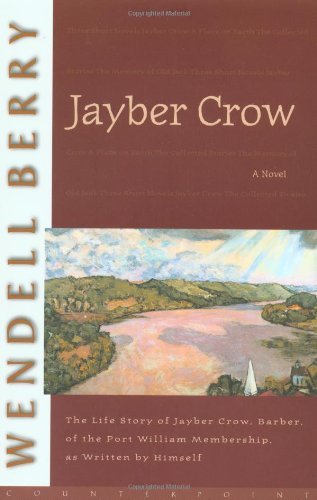
Some books are hard to encapsulate in a book review. Jayber Crow is one of those books. I am grateful to have book club members willing to share their insights and perspectives and give me opportunities to reflect on my own.
Author Wendell Berry is a Kentuckian through and through as is demonstrated in his Port Williams series of 11 novels and additional short story collections with a Kentucky setting. A novelist, poet, agrarian, activist, essayist, and farmer, Berry tells the story of Port William through the lives of his characters. Not a lot “happens” in Port William, but individuals like Jayber Crow are on display for the reader to understand how their experiences determine their strength of character. Jayber Crow has a series of rough circumstances as a child and as a young man; but never viewing himself as a victim, he develops the mental, emotional, and even physical fortitude to become a strong and introspective person. As is often the way in small towns, he is still considered an outsider even after many years of residing in Port William. With the goal of never being under the control of “the man across the desk,” Jayber, who considers himself the town’s most “ineligible bachelor,” has his own business as the town’s barber with side jobs as grave digger and church sexton.
Jayber was born in 1914, so he and all of Port William were affected by both World Wars and the Depression. He was witness to the technological changes that some called progress and others perceived as movements away from self-sufficiency and a difficult, but very satisfying way of life. In the process, they replaced a slower existence powered by manual labor with a more stressful one with a never-ending cycle of debt.
Jayber’s spiritual life is explored in the novel as he was placed in an unloving church orphanage where he thought he was called by God into the ministry. He was given a college scholarship to that end, but had a change of heart as he progressed through his studies. Jayber’s story shows the hand of God working behind the scenes as events from his early days help him as an adult. He is quiet, doing a lot of listening as a barber. As you read this book, you will watch Jayber navigate literal and metaphysical floods. There is a lot of symbolism in the book as related to water and course of direction. His relationships with women are interesting as he finally comes out of his shell by visiting a neighboring town where he will be subject to less town gossip. His marriage covenant is a most unusual one and may leave the reader with more questions than answers.
There is so much to think about in Jayber Crow that it is not a quick or easy to read book. I did enjoy it and recommend it. It takes the reader on a journey across Jayber’s lifetime, but never far from Port William.
Rating: 5/5
Category: Historical Fiction
Notes: 1. #6 in the Port William Series, but works well as a standalone
2. Contains a map and a genealogy of the families of Port William featured in the series.
Publication: 2000—Counterpoint (Berkeley)
Memorable Lines:
Back there at the beginning, as I see now, my life was all time and almost no memory. Though I knew early of death, it still seemed to be something that happened only to other people, and I stood in an unending river of time that would go on making the same changes and the same returns forever. And now, nearing the end, I see that my life is almost entirely memory and very little time.
The talk went the way I love it, so quiet and unhurried I could hear the dampened fire fluttering in the stove.
Her hearing was as sharp as Miss Sigurnia’s was dull. Aunt Beulah could hear the dust motes collide in a sunbeam; she could hear spiders chewing on flies.
The Branches seemed uninterested in getting somewhere and making something of themselves. What they liked was making something of nearly nothing.
Why is hate so easy and love so difficult?
Reading for the Love of God–erudite and spiritual
Reading for the Love of God
by Jessica Hooten Wilson

I thought Reading for the Love of God would be the perfect book for me, channeling my reading choices in a way that points to God and shining a light on the spiritual connection of God and a reader. It did both of those things, but I have to admit that, as a whole, it was not the right book for me. Some of this well organized book was appropriate for the average reader, but much of it was clearly written by a professor with a strong background in both literature and theology. Perhaps it would be more appropriate for study in a college level course. Here is an example from the text that demonstrates the background knowledge needed to fully benefit from this book: “In Christian tradition, the anagogic sense refers to a text’s echo or reflection of the divine. Where do we see God here? Or we might equate the anagogical with the eschatological: Knowing that all will end in our death and Christ’s second coming, what matters in what we have read? It’s the cultivation of a sight that points our eyes ever upward toward heaven.”
On the other hand, Hooten presents a lot of interesting ideas about reading. She is quite knowledgeable and gathers information from and about many authors. The footnotes cover about twenty percent of the book. She extols the virtues of reading and rereading the classics, and she asserts that learning how to read various genres helps us learn to read Scripture. If we read other books than the Bible, even secular books, through the lens of Scripture, God can teach us. Even books that some Christians avoid reading (e.g. Harry Potter) can lead to examination and discussions of evil versus good, etc. We should both enjoy and use literature, but should not put the message above the story itself. She points out that there are many current and historical opinions about how to best read the Bible addressing issues such as meditation, interpretation, the role of allegory, the depths of word meanings, and symbolism.
The author carefully places essays in the book expounding on what we can learn from examining the writing and reading of St. Augustine, Julian of Norwich, Frederick Douglass, and Dorothy L. Sayers. After her Conclusion and Acknowledgments, she guides the reader through a practice session of analysis of Flannery O’Connor’s short story “The River.” O’Connor is a much referenced author in this book so this discussion seems quite appropriate. A section of Frequently Asked Questions is very practical and useful. It is followed by “Reading Lists of Great Books” which is grouped by ages. The next list is “Great Books: The Living Tradition” which contains classics sorted by time periods and followed by a list entitled “Writers Whose Works Touch the Sacred and the Profane.” I’m not sure what her criteria are for this list, but it includes authors such as Wendell Berry, Frederick Buechner, Willa Cather, G. K. Chesterton, and Dorothy Sayers.
I received a complimentary copy of this book in exchange for an honest review. Opinions expressed in this review are completely my own.
Rating: 4/5
Category: Christian, Religion & Spirituality
Notes: As I think back over Reading for the Love of God, I find I am viewing it in a more positive light than when I was working my way through it. I am not recommending it to my book club as I initially thought I would do. I will be mulling her theses over and referring to her suggestions for reading selections as I expand my personal reading choices.
Publication: March 28,2023—Brazos Press (Baker Publishing Group)
Memorable Lines:
If we are going to read—the Bible included—we should learn how to read well. We should become readers who do not read for our own gain but who read as a spiritual practice, always open to how the Lord is planting seeds in our heart, teaching us more about him, and showing us ways of living more like Christ in the world.
But we should not read Virgil’s Aeneid in order that we may check a box on a great books list. Rather, a book such as the Aeneid is to be used—for pleasure and edification temporarily—and ultimately enjoyed in how it points us to God.
We read because without books our world shrinks, our empathy thins, and our liberty wanes. We read for the same reason that people have read—and shared poems or stories—for thousands of years because our eyes are not enough by which to see. The time and place in which we live blinds us to other perspectives and ways of being that are not of our own experience. We read because we have been given the gift of imagination and intellect, and we exhibit our gratitude by using it.
The Little Venice Bookshop–love of reading and family
The Little Venice Bookshop
by Rebecca Raisin
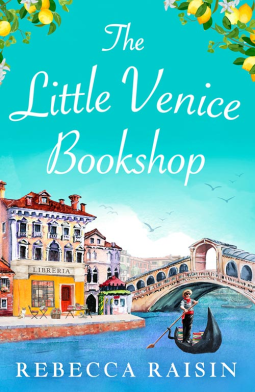
Luna and her mom traveled and lived all over the world until without explanation her mom decided to settle in a commune of like-minded women in tiny houses. Luna, following in her mother’s footsteps, is overtaken with wanderlust. She and her friend Gigi live in Thailand for a while. Then they decide to go to Venice, Italy, after Luna discovers letters left to her when her mother passed away suddenly. They seem to be leading her to a used bookstore in Venice. Luna is a book lover and the letters are from the owner of the store. Could he be the father she always wanted present in her life?
Luna is afraid of what she might discover. Why didn’t her mother tell her about this man? Will she scare him off if she confronts him with what she knows and imagines based on the letters? Why has he never tried to contact her? Because of her fears, Luna begins a pathway of lies and half-truths, a decision that just complicates things. She does convince the curmudgeon owner of the bookstore to hire her to help him with his floundering bookstore that he doesn’t even seem to care about. She and another new hire, Oscar, convince him to become a presence on social media and to try out some new ideas.
There is a lot of romance in the city of love, but Luna is still grieving the death of her mother and is not ready to emotionally commit to anyone. The story slows down a bit in the middle, but interest picks back up at the end. Luna learns about family and truth as she works her way through the mystery of who her father is.
I have read three other books by Rebecca Raisin that I very much enjoyed. This was not my favorite. I love bookstores and Italy, so I thought this would be a good fit for me. That didn’t work out, but I will be back to read more books by Raisin.
I received a complimentary copy of this book in exchange for an honest review. Opinions expressed in this review are completely my own.
Rating: 3/5
Category: Fiction, Romance, Women’s Fiction
Notes: The protagonist in this book relies on the occult, specifically tarot cards and a magic 8 ball, to help her make decisions. A passing reference would be acceptable to me, but her version of spirituality was throughout the book. If I had known that, I would not have requested this book as an ARC. If that does not bother you, then you might enjoy the book. My rating and review do not reflect that aspect of the book, but are based on plot and execution.
Publication: March 30, 2023—HQ Digital
Memorable Lines:
Mom was the creative, whimsical one of the pair, while Aunt Loui is practical. She’s the kind of woman you want beside you in an apocalypse. She cans fruit. Ferments vegetables. Mills her own flour. Can throat-punch in a pinch if called for, but she’s mainly a pacifist unless pushed.
“Now you mention it, he wears the mask of a man who’s had his heart broken, doesn’t he? Perhaps that’s why he’s so gruff, so impatient with people. He doesn’t care anymore. Even his beautiful bookshop has lost its appeal, and that is a tragedy.”
“You know the proudest moment for me as a mother was when Bella used to spend all her pocket money on books. I knew then I’d done my job well enough. If a child loves reading, they’ll never be alone. Even when the hard times come—and they always come—they’ll have a tonic for it. They’ll have a place to escape.”
A Tree Grows in Brooklyn–a no-nonsense coming of age story
A Tree Grows in Brooklyn
by Betty Smith
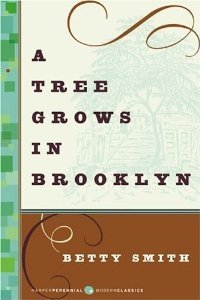
Sometimes publishers and reviewers have the audacity to promote a newly published book as a “classic.” In my opinion a classic is a book of excellence that has stood the test of time and is judged to be worthy of reading and rereading by future generations. First published in 1943, A Tree Grows in Brooklyn is such a book. Written by Betty Smith, it is fiction but it has its basis in Betty Smith’s own coming of age in Brooklyn.
The protagonist is Francie, a girl who grows up in difficult circumstances of poverty with an alcoholic father who is nonetheless likable. Her mother favors her younger brother over Francie knowing she will be able to succeed in spite of her background. Francie, like Betty Smith herself, from a young age is a reader and a writer. Francie’s mother, Katie, works cleaning houses and believes with all of her being that education is the route to success for her children. She insists that her children read a page from Shakespeare and the Bible each night. She evens barters piano lessons for herself and Francie, with little brother Neeley, who inherited his father’s musical aptitude, watching. Their father Johnny worked as a singing waiter when he could get employment.
There is not a plot per se in A Tree Grows in Brooklyn; it is a recounting of a family’s struggle to survive. The reader is immersed in the setting, the culture, and the characters. Despite the lack of twists, cliff hangers, climax, and denouement, this novel is a page turner of a gentle sort. Ripe with symbolism, this book is perfect for discussion and introspection. It opens the door to an era gone by and good hearted, imperfect people who want to keep their dysfunctional families intact and give their children a better life than they had. It is the fight for the American Dream set down on paper.
Rating: 5/5
Category: Classic, Literary Fiction
Publication: 1943—Harper Collins
Memorable Lines:
Mama explained: “Francie is entitled to one cup each meal like the rest. If it makes her feel better to throw it away rather than to drink it, all right. I think it’s good that people like us can waste something once in a while and get the feeling of how it would be to have lots of money and not have to worry about scrounging.”
“Who wants to die? Everything struggles to live. Look at that tree growing up there out of that grating. It gets no sun, and water only when it rains. It’s growing out of sour earth. And it’s strong because its hard struggle to live is making it strong. My children will be strong that way.”
Oh, the last time how clearly you see everything; as though a magnifying light had been turned on it. And you grieve because you hadn’t held it tighter when you had it every day.
The Little Books of the Little Brontës–creativity in childhood
The Little Books of the Little Brontës
by Sara O’Leary
illustrated by Briony May Smith

This little book of historical fiction introduces children to the famous Brontë family. The girls, Charlotte, Emily, and Anne, and their brother Branwell are raised by their father who is a vicar, their aunt, and a housekeeper. They grow up in relative poverty, but have a fun life with much time to exercise their creativity as they are homeschooled and spend a lot of time exploring the moors. Almost anywhere they go would be by foot.
The Little Books of the Little Brontës tells how they loved to read and as children they made tiny books for each other and for their toy soldiers. As they grew older, their reading passion was turned to writing. The sisters died young, but their books are still eagerly read today.
I enjoyed this fictional view of the Brontës’ childhood. It is easy for children to follow. I particularly liked the illustrations; they are delicate, detailed, and whimsical. After explaining that the sisters had short lives, the author takes the reader back to their happy early years which is a sweet ending and very appropriate to a children’s book.
I received a complimentary copy of this book in exchange for an honest review. Opinions expressed in this review are completely my own.
Rating: 5/5
Category: Children’s Fiction, Historical Fiction
Notes: 1. Includes directions on how to make a little book.
2. There are Author’s Notes containing information about the family for adults.
3. The book ends with an extensive Bibliography.
4. Ages 5-9, Grades K-4
5. Print length: 40 pages.
Publication: October 17, 2023—Tundra (Penguin, Random House Canada)
Memorable Lines: (which is also the first sentence)
Many years before you were born,
sometime in the long ago,
a child named Charlotte Brontë
made a little book for her little sister Anne.
The Trouble with Reading (Part II)—Reading to Learn
I recently had some eye-opening experiences regarding reading that I want to share. I love to read, have a reading specialist credential, and am a retired educator of 34 years. I also love to learn, and I did just that this week in reading two different books. I gained a new appreciation of the struggles some readers have with reading. If you want to read Part I of The Trouble with Reading which deals with dyslexia, click here.
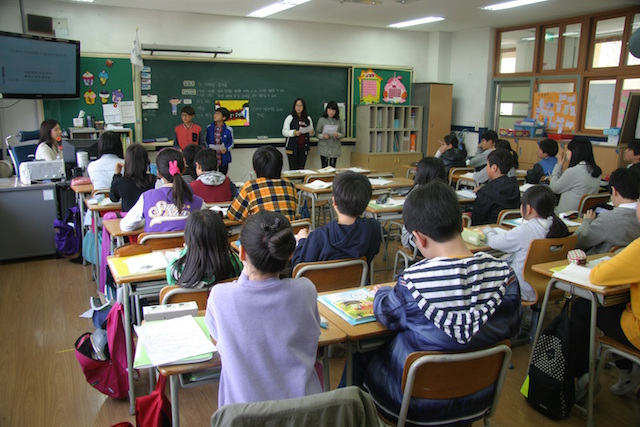
The other book I read that was a learning experience was a printed copy of a nonfiction book I purchased to read with my book club. It is a well-researched book that focuses on a part of my country’s history. Reading it was a great reminder of the differences in reading a fiction and a nonfiction work. “Work” is an appropriate word here, because of the extensive research effort of the author and the extra time and focus the reader needs to devote to reading the book. There are so many historical figures that play into the book along with settings of note. It is hard, but important, to keep track of them all. It is a very good and well written book and appropriate for book club discussion. I had to schedule reading it into my day so that I finished it by the time of our meeting. In other words, reading it was a chore; to do it justice, I took extensive notes and found the process tiring. Also, it did not focus on a subject that is my primary strength which makes the book intrinsically less interesting and more difficult to read. I brought less background knowledge to the table.
The book was not entertaining, but I am glad I read it. Although nonfiction varies widely, in general it is not my favorite genre. As all teachers should know, I was reminded that nonfiction, which is the foundation of most subject area texts, requires a different set of reading skills and those should be explicitly taught after students master the general reading process. Early elementary focuses on “learning to read” and grades above that should focus on “reading to learn.” Some middle and high school teachers believe that students leave elementary school with the skills they need for content area reading. This knowledge, however, is developmental; what is needed to process a middle grade text is not sufficient for comprehension of a high school text. Unfortunately, many students do not leave elementary school reading on grade level, making the gap even larger. To some degree, all teachers must be reading teachers.
I MISSED YOU!
Dear Virtual Friends and Book Lovers,
I have been absent for months during a huge transitional time in my life. For years we had traveled back and forth between the temperate mountains of Mexico and a cabin in the colder mountains of the Southwest. About two years ago, we pulled the plug on Mexico and bought a home in the Four Corners area, a mere two and a half hour trip between houses. The plan worked perfectly as we loved our home, our church, our friends, and our new town. Unfortunately, the state governor destroyed the economy of our town along with the rest of the state and the spirit of the people during one of the worst state lockdown regimes in the U.S. Our response has been the selling of our home, moving our goods into storage, and exploring states that value freedom and individual rights as found in the U.S. constitution. We have retreated to our cabin, made an offer on a house, and are going through the next steps.
For anyone exploring the current status of the real estate market in the U.S., you will realize what a miracle it is that we were able to get this far in purchasing a new home. In many areas, homes are selling within 24 hours of being listed and for above the asking price. My sense is that God held this particular home for a few days for us. I rely on God to guide me, and therefore my prayers are that He will not allow the deal to go to completion if it is not the right home or location. I know things will get complicated again for me personally, but right now I am enjoying a cup of tea as I watch a gentle rain outside my windows. Through God’s grace I survived a bear encounter (not attack!) yesterday while walking my dogs. Last night I worked through all my emails executing mass deletes regarding posts by fellow bloggers. I hated doing that just as I have hated not being able to keep up with your blogs. I have not accomplished much reading during this crazy time, but I have been writing reviews as I finish books and will hopefully post them in the coming days and weeks.
Happy Spring! I look forward to reading your posts and interacting as we discuss books and life!
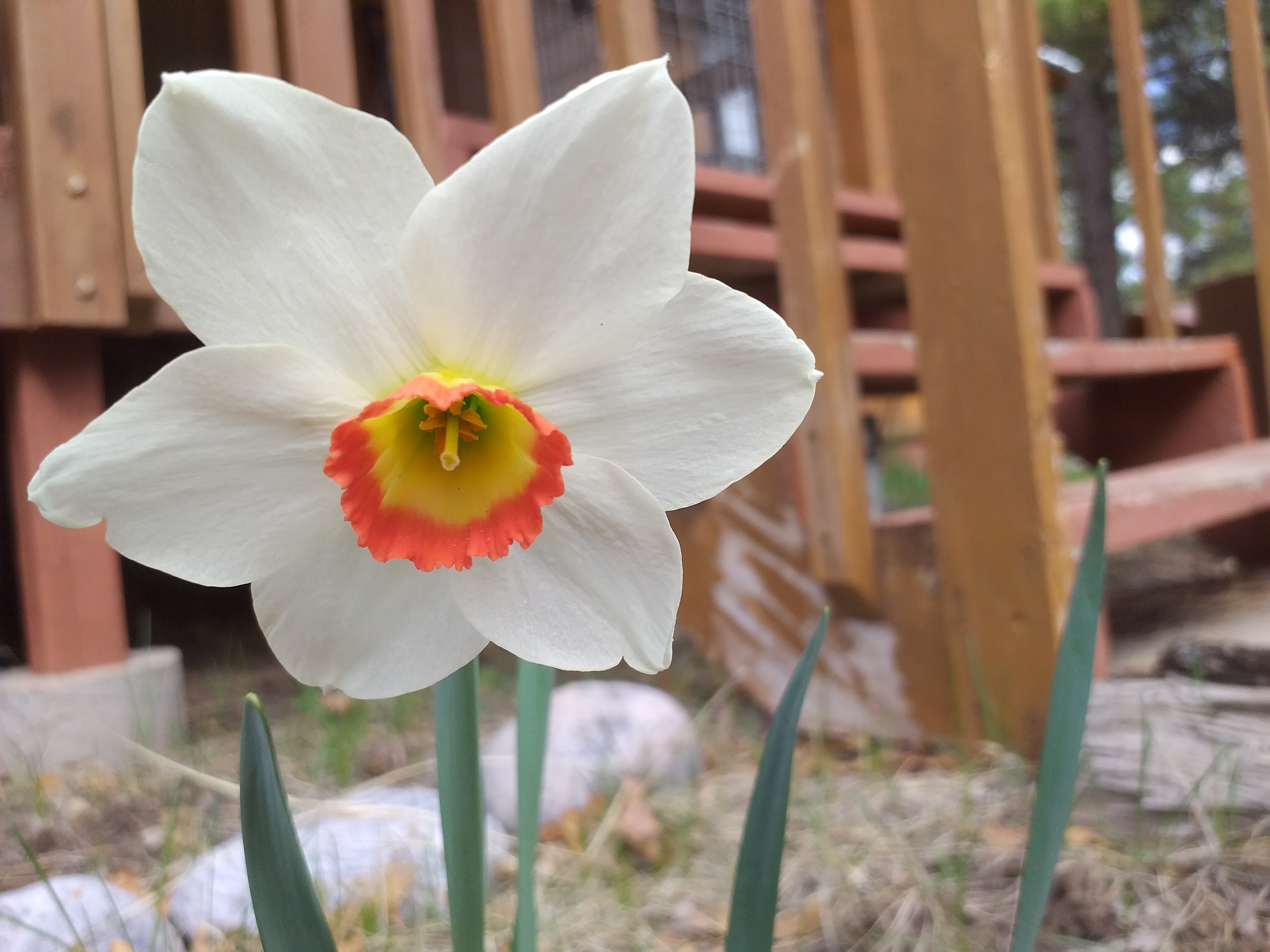
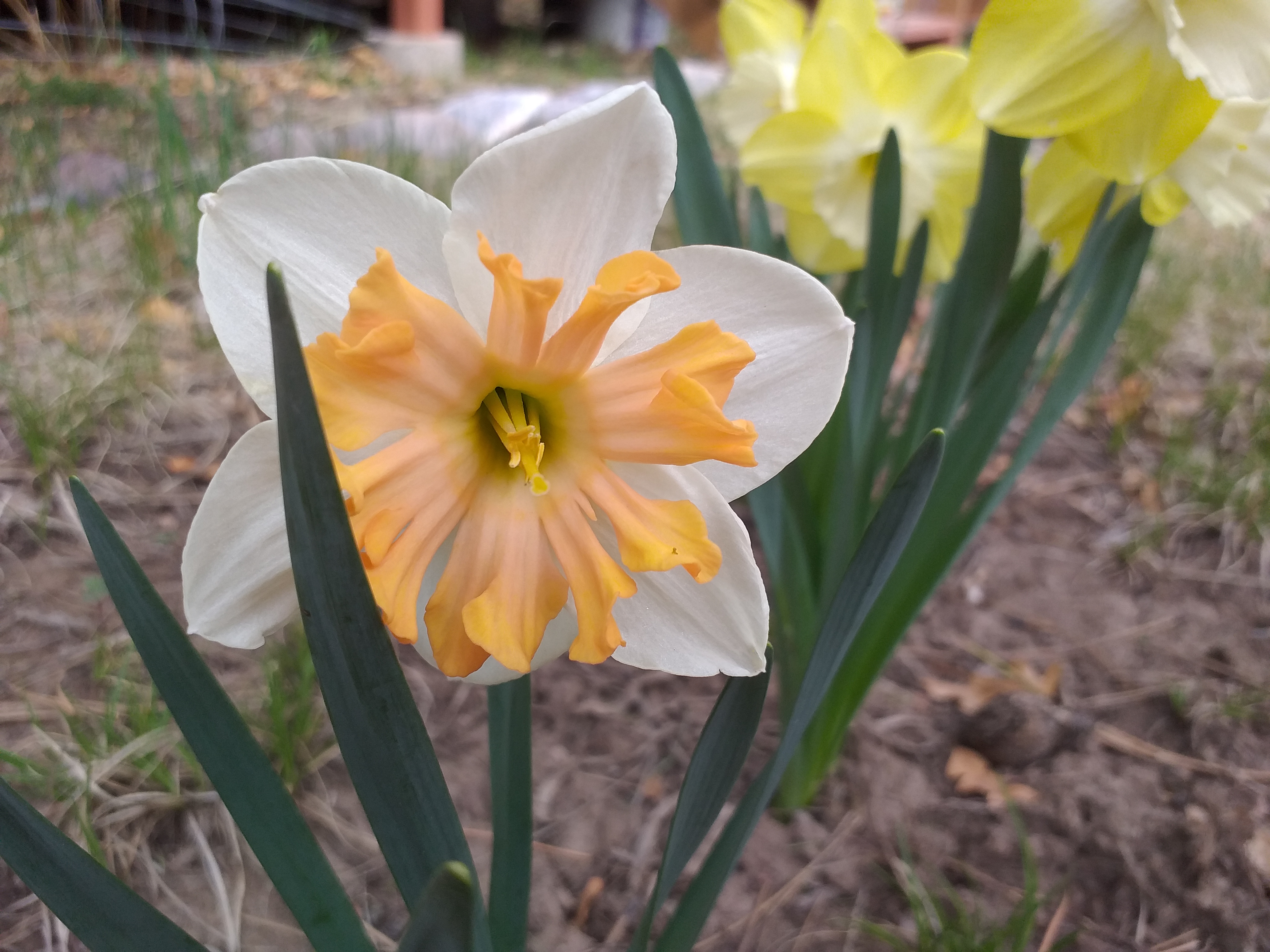
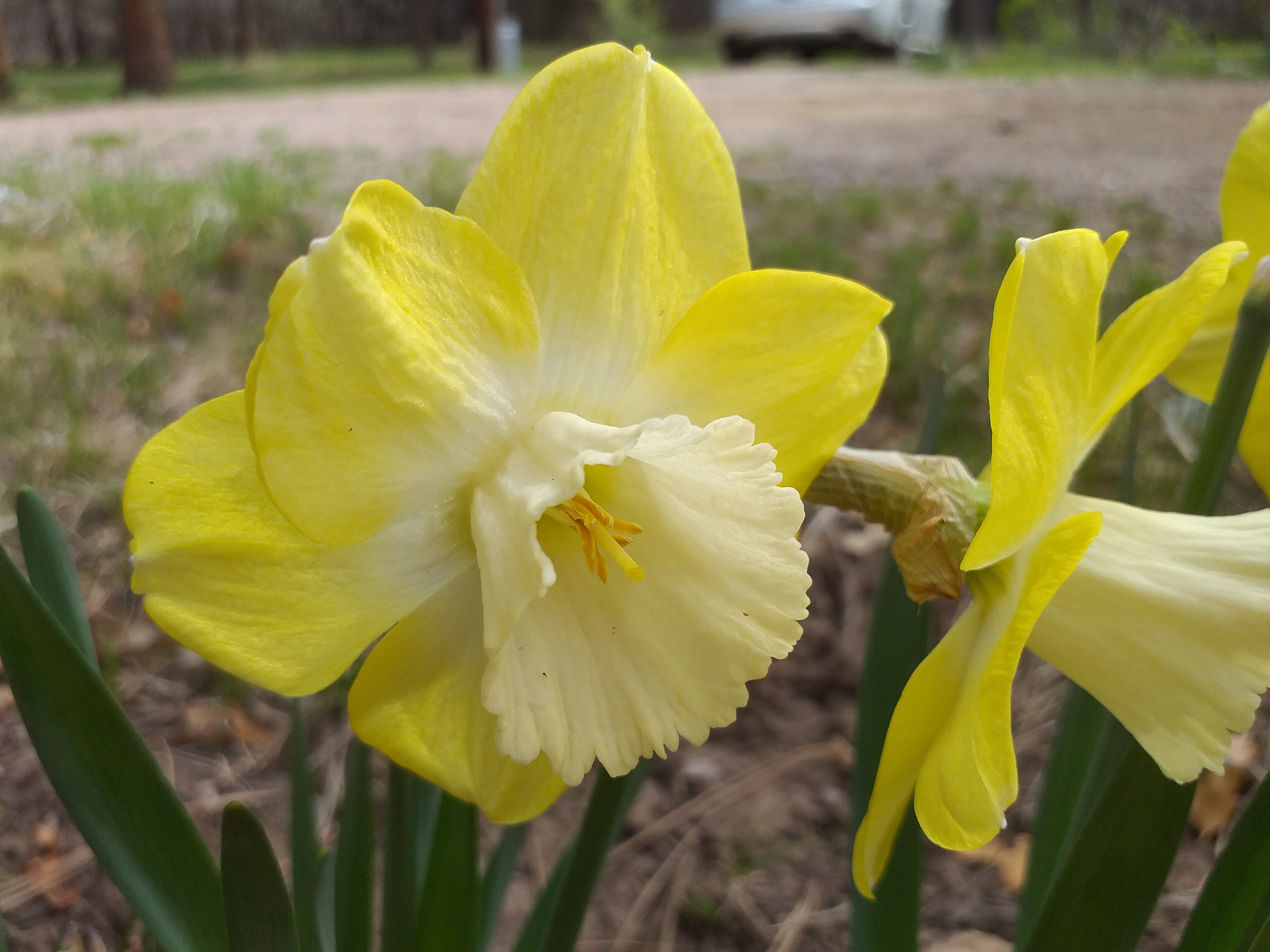
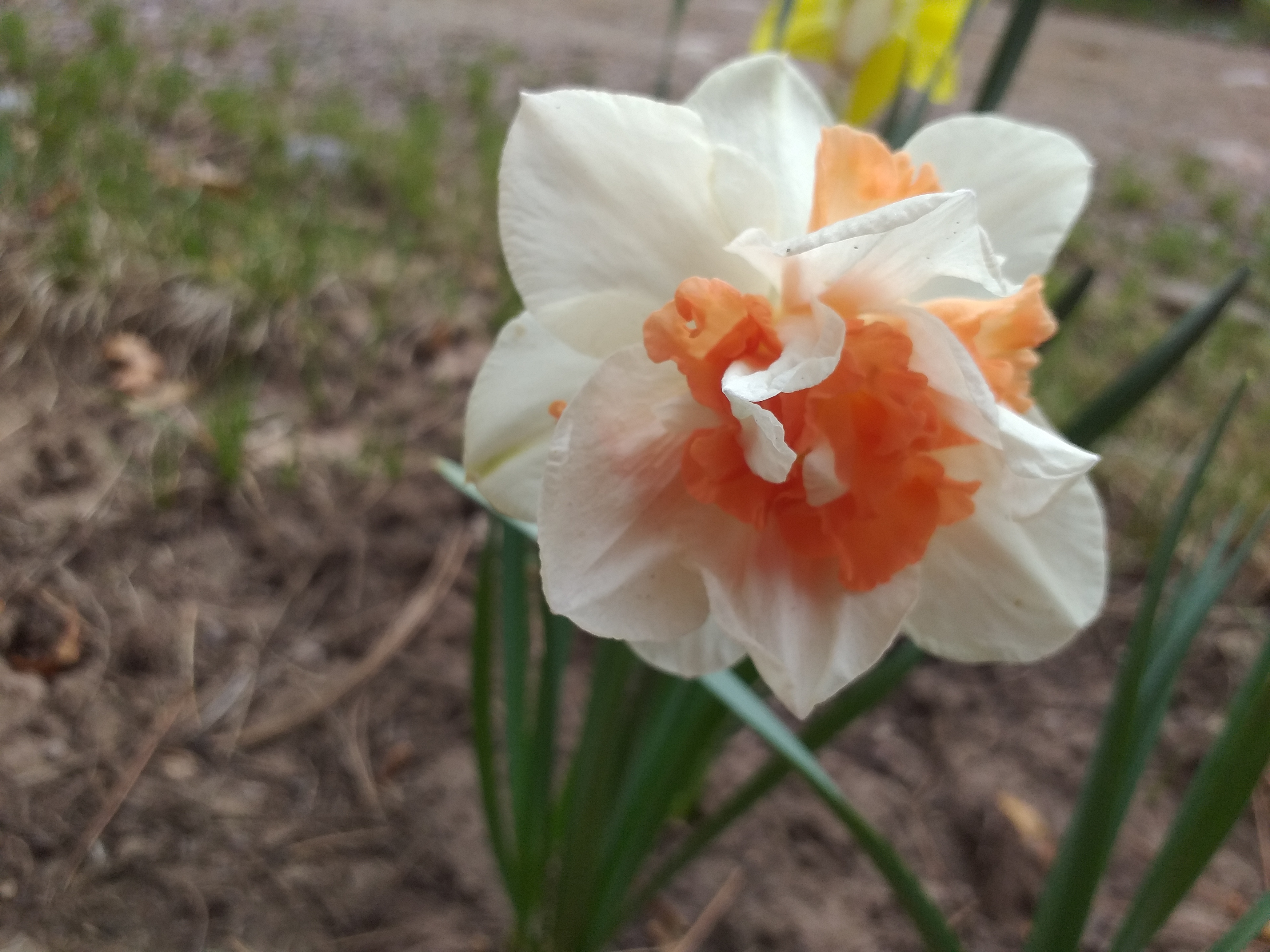
Desde mi cabaña en las montañas hasta tu casa, ¡Feliz primavera!
Life Without My Digital Tools

I recently underwent a medical procedure that was followed up with 48 hours of no sunshine and no light from electronics. No laptop. No tablet. No smartphone. I am not addicted to social media, but all of these “no’s” translated into no email, no Internet searches, no Facebook or Instagram, no translator, no digital books, no blogging, and no Bible app with multiple versions. Those 48 hours were an eye opener into how dependent I am on my devices, and how much of my day can be spent using them. Fortunately, although I was encased in a bedroom with darkening window coverings, I was able to use incandescent lighting. I could read print books and compose blog posts in my trusty spiral notebook. For those old school tools, I am very thankful!
The Library of the Lost and Found–family secrets
The Library of the Lost and Found
by Phaedra Patrick
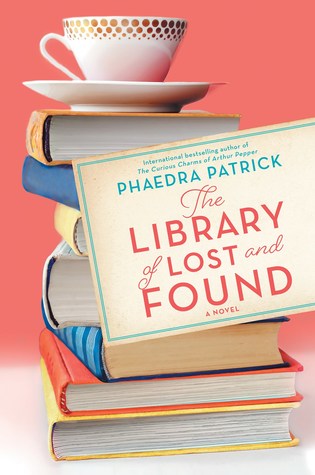 The Library of Lost and Found is Martha’s story woven by author Phaedra Patrick into a tapestry of several generations of women trying to survive, to see their way through. The background is emotional abuse and family secrets. Martha devotes her life to caring for her aging parents, Betty and Thomas, and later trying to please her contacts at the library where she volunteers. Because Martha does not value her own contributions, no one else appreciates her. As a child, Martha is imaginative and creative and her flamboyant nana, Zelda, encourages her to be a storyteller. Unfortunately Martha’s inventiveness is in direct conflict with the wishes of her overbearing father.
The basic plot line-up to this point in the story appears fairly straight forward, but much more conflict brews beneath the surface. There are past romantic entanglements that affect Martha and her sister Lilian. Zelda disappears from Martha’s life and is proclaimed dead. The past and its secrets affect the present and the future.
One of the fun characters is Suki, a young, single, pregnant co-worker with a tendency to misuse words. For example, speaking of her baby’s father she says “He says he can’t make up his mind between us. I’ll have to give him a culmination.” “Do you mean an ultimatum?” She may not always use words correctly, but she believes in Martha and ends up being an encourager for her as Martha takes steps to find her independence.
There are lots of surprises along the way as figurative skeletons in the closet are revealed and as Martha finds herself again. The Library of Lost and Found is appealing to book lovers as books, libraries, bookstores, writing and reading all play important roles. Its appeal spreads wider though as it addresses universal issues of power and control, love, whimsy, family, and self-worth, and their emotional impact.
I would like to extend my thanks to netgalley.com and to Harlequin (Park Row) for giving me the opportunity to read this book in exchange for an honest review.
Rating: 5/5
Category: General Fiction (Adult)
Publication: March 26, 2019—Harlequin (Park Row)
Memorable Lines:
She often felt like there was an electrical storm around him, and she could sense it crackling now, between him and Zelda.
She didn’t usually feel jealous, but as she watched her mother and daughter, it crept over her now like winter frost across a window.
“Why does something have to last forever to be classed as successful? Surely it’s okay to give things a try.”
 education pathways