Home » Posts tagged 'justice'
Tag Archives: justice
The Frozen River–Remarkable midwife
The Frozen River
by Ariel Lawhon
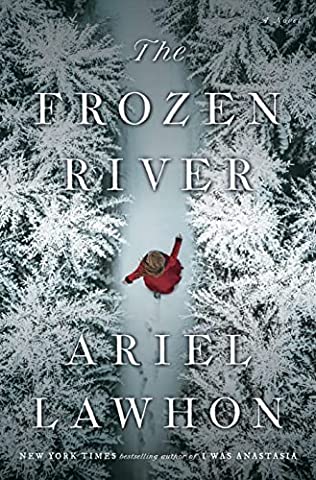
Martha Ballard is a historical figure, a midwife who also had other medical skills. She is an unusual figure for her time—literate (a rarity) and a wife and the mother of a large brood who traveled the area quite independently to deliver babies. In Ephraim, she had a strong, trusting, industrious, and helpful husband. He was a man of faith. He saw his wife’s potential and taught her how to read. He also helped her overcome trauma she had suffered as a young lady.
The setting of The Frozen River is the winter of 1789-1790 (actually 1785 in historical records) and was known as “the year of the long winter” in Hallowell, Maine. Martha is called to document a body found in the river, caught by ice. Thus begins a murder mystery that is so much more. A pastor’s young wife is the victim of multiple violent rapes. In the process of disclosing the truth of the events, the author also reveals much about women’s rights at that time. In summary, they had few. To even give testimony in court a woman had to be accompanied by a husband or father. It was clear that a man’s testimony had greater weight than a woman’s. Premarital sex was fairly common, but if a pregnancy was the result, the woman could be jailed or fined. The man incurred no consequences.
Pre-Bill of Rights, the court system was very different than what we have in America today. It was similar to what is commonly referred to as “frontier justice.” Townsfolk flocked to a local trial where the jury was composed solely of men and the judge was likely to be biased. There were other levels of courts depending on the accusations and the findings of a lower court. In some cases it was clear that justice would not be done, and so men would take action on their own following the dictum of “an eye for an eye.”
Death from natural causes, sickness, childbirth, or accidents was something the people of that time had to live with. Although expected, accepting it was still very difficult, especially for mothers. Life was not easy, and circumstances often left people bereft of material needs and emotional support.
The author, Ariel Lawhon, makes the characters come alive. Without being melodramatic, she presents the characters as real people with flaws and strengths, individuals that the reader will really like despite some weaknesses or truly detest because of the evilness they harbor in their hearts. There were many secrets to be revealed, but those were skillfully hidden until the author chose to disclose them. Even then, the motivation for the matter might remain unknown for a time. Because of the rapes and other types of violence found in the book, it is a hard book to read and certainly not a book to read right before bedtime. It is a page turner that is not for the faint of heart, but reveals so much about a remarkable woman and a time of history that required much of people.
Rating: 5/5
Category: Historical Fiction
Notes: 1. The Author’s Notes at the end delve into the historical accuracy of the book and the author’s resources. She estimates that about 75% of the book “closely follows the historical record.” The rest is “what could have happened.” As all works of historical fiction, the author had to flesh out events and characters to create a story of interest that flows.
2. I do recommend this book, but I would be remiss if I did not include a warning of violence and rape for any potential readers for whom those topics are triggers. There is also some swearing.
3. This book is excellent for book club discussion. Our group engaged in topics that covered the many themes found in the book extending past the regulars of characters and setting to symbolism of a silver fox and the all important river.
Publication: 2023—Doubleday
Memorable Lines:
Memory is a wicked thing that warps and twists. but paper and ink receive the truth without emotion, and they read it back without partiality. That, I believe, is why so few women are taught to read and write. God only knows what they would do with the power of pen and ink at their disposal.
The act of mothering is not limited to the bearing of children. This is another thing that I have learned in all my long years of midwifery. Labor may render every woman a novice, but pregnancy renders every woman a child. Scared. Vulnerable. Ill. Exhausted. Frail. A pregnant woman is, in most ways, a helpless woman. Her emotions are erratic. Her body betrays her.
“No baby is conceived apart from the will of God, May. If you are pregnant, it means that you have been touched by Providence, and you will never hear me say an ill word about the child you carry. Nor will I let anyone do so in my presence.”
This is a new thing I’ve discovered about myself in recent years. The noises. Stand and groan. Sit and grunt. Some days it seems that I can hardly take a step without some part of my body creaking or cracking and this—even more than the gray hairs and the crow’s-feet at my eyes—makes me feel as though I am racing down the final stretch of middle age.
Tess of the d’Urbervilles–new look at a classic
Tess of the d’Urbervilles
by Thomas Hardy (and Karen Swallow Prior)
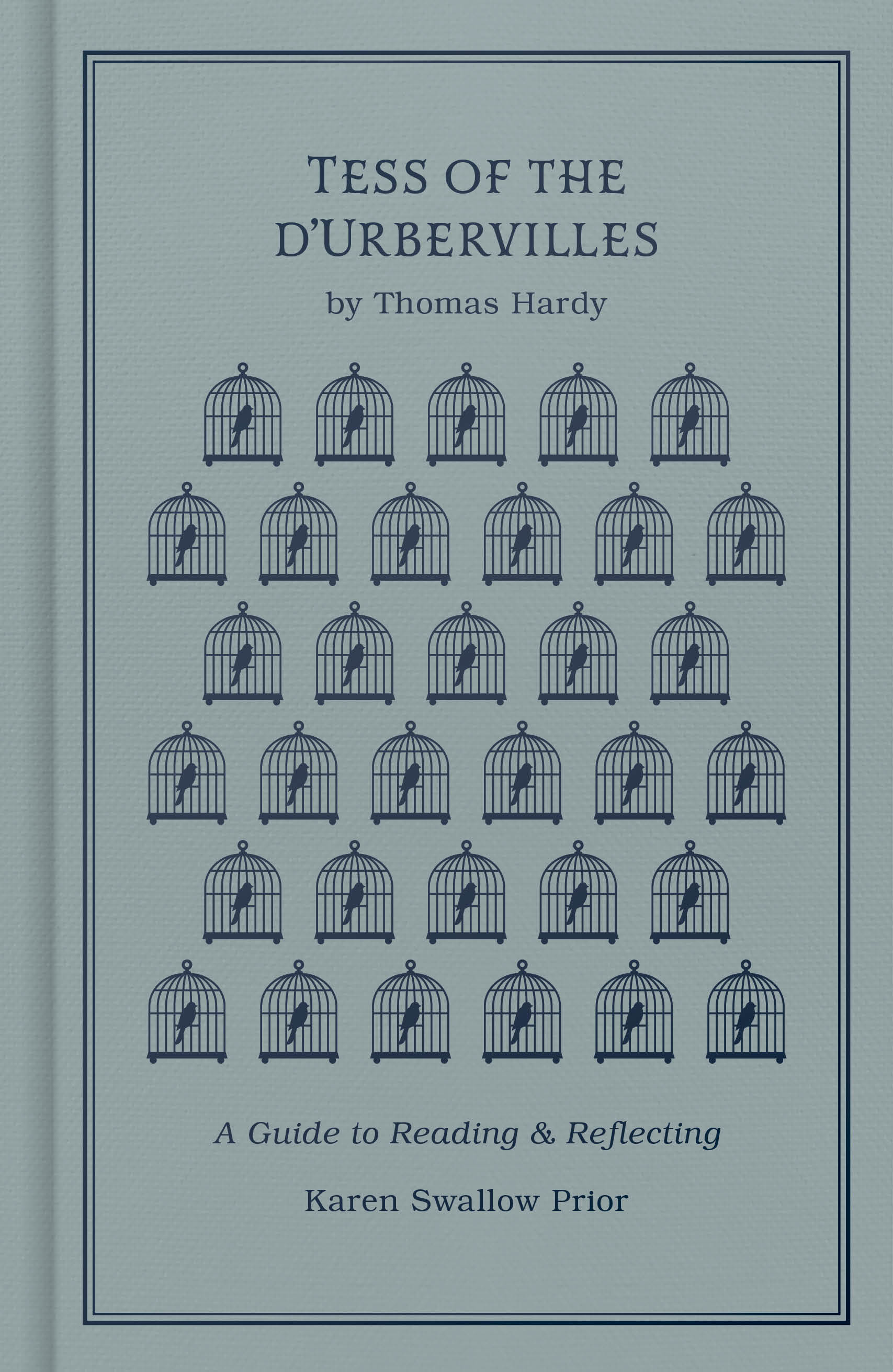
First published in serialized form in 1892, this classic has been read and studied over the years. Summaries are available everywhere on the Internet, so I want to share with you the particular edition I read this summer with my book club. It includes “A Guide to Reading and Reflecting” by Karen Swallow Prior who is a literature professor and author herself. We have read other books that include her notes, but I think this is the best one of the series that we have read.
Prior gives a lot of background on Thomas Hardy and the times in which he lived that are essential for understanding Tess of the d’Urbervilles. Born to a working class family, he longed for a scholarly life which at times seemed out of his reach. For example, he desired ordination but was unable to afford the university costs and so became a draftsman for a church architect. He studied on his own, and this book is full of classical and Biblical references. He also read books that are contradictory to traditional Christianity. He became an agnostic who attended church all his life. These are a few of the conflicts that show up thematically in Tess of the d’Urbervilles along with sexual purity being essential to women, but not to men. The plight of agricultural workers can not be missed as well as the difficulties of overcoming class rules and status. Nature itself and self-determination are also central themes.
In this edition, Prior helps the reader delve into the deeper meanings of the book. Hardy creates interesting characters and a solid plot, but also a certain line to destruction and despair for Tess. Prior points out Hardy’s use of literary techniques but also how to read this novel from a Christian worldview. I think her comments would also be interesting to those with a secular point of view.
Prior does not change anything in the original text. She does include brief, helpful footnotes that explain words that might be unfamiliar to a modern reader as well as classical allusions. Hardy divided the book into seven sections called “Phases.” Prior ends each phase with reflection questions which are valuable in pointing out aspects the reader might miss and in demanding deeper introspection. Prior concludes the book with questions “For Further Reflection” which apply to the text as a whole.
Rating: 5/5
Category: Classic, Fiction
Notes: There are currently 6 classics in this series.
Publication: 2022—B&H Publishing Group
Memorable Lines:
From Prior: Tess of the d’Urbervilles is not merely dark and pessimistic but is tragic—tragic in the true literary sense.
From Hardy: The clock struck the solemn hour of one, that hour when fancy stalks outside reason, and malignant possibilities stand rock-firm as facts.
From Hardy: It is Tess Durbeyfield, otherwise d’Urberville, somewhat changed—the same, but not the same; at the present stage of her existence living as a stranger and an alien here, though it was no strange land that she was in. After a long seclusion she had come to a resolve to undertake outdoor work in her native village…
Killers of a Certain Age–all-female assassin squad
Killers of a Certain Age
by Deanna Raybourn
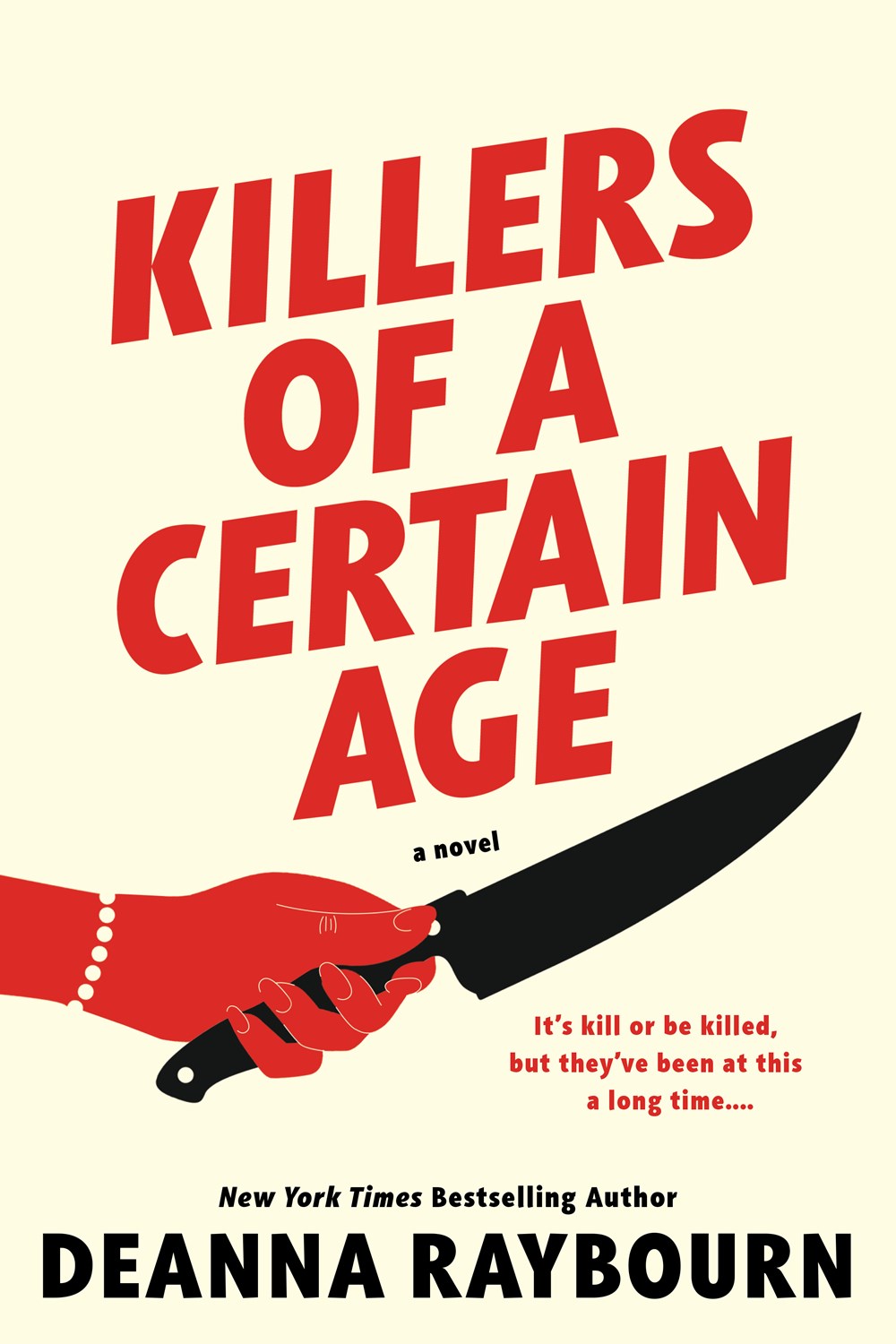
It is with mixed feelings that I review Killers of a Certain Age. I think I wanted it to have the same vibes as The Thursday Murder Club by Richard Osmond, but that is not really fair. I knew going in that the story was about a group of retired female assassins, but that summary does not encapsulate Deanna Raybourn’s story satisfactorily.
The beginnings of the larger group which calls itself by the code name “the Museum” are people who were frustrated at the escape of so many Nazis who were slipping away from (and sometimes with the help of) various governments after World War II. They decided to pursue justice. When most of the Nazis had been tracked down and “disposed of,” they turned their attention to other “targets that had been scrupulously vetted and chosen because their deaths would benefit humanity as a whole.” Their mission was to bring justice, not to pursue what was lawful. Bottom line: the end justifies the means. The philosophy underlying the plot makes me uncomfortable. I am trying to disregard those feelings as I review the book.
Killers of a Certain Age has four main characters, the women who spent the last forty years killing specific targets only as assigned. They were not allowed to have outside contracts. These agents were chosen, recruited, and trained by the administration of the Museum. They trusted the board members and fully expected to live out their retirement years with a good pension. Unfortunately, there are political happenings with the organization and putting out a “hit” on these women is part of the fallout.
The backgrounds of the assassins are interesting as well as their relationships with each other. The story is told by relating current events as well as including chapters that reveal the details of prior assignments. The women are well-trained and use their respective skills to compensate for the decline of physical strength and flexibility brought on by age. The reader has a first-hand view of their plan to save themselves without hurting innocent bystanders.
Although I didn’t enjoy Killers of a Certain Age, I did appreciate the women’s attempts at dark humor. I commend the author for her writing skills and her creation of a complex plot. My favorite aspect of the book lies in the ingenious codes used to communicate secretly. I’m sure that a lot of readers will give the book two thumbs up, but it was just not the right read for me.
I received a complimentary copy of this book in exchange for an honest review. Opinions expressed in this review are completely my own.
Rating: 4/5
Category: Fiction, Mystery, Suspense
Notes: Lots of violence and bad language
Publication: September 6, 2022—Berkley (Penguin Random House)
Memorable Lines:
The tunnel led into a courtyard bordered by four brick buildings, each one more decrepit than the last. The facades, linked by galleries and staircases, leaned against each other for support like elderly women having one last gossip.
We looked like a girl gang that would have the Queen as our leader, all low heels and no-nonsense curls. Mary Alice had even tucked butterscotch candies in her purse, which she handed out to porters in lieu of tips.
Two good hits and the lock dropped off. “Subtle,” she said. “Natalie, I’m tired, I am covered in mud that is at least seventy percent dead people, and I am hungry. Do not test me.”
Snowflakes at Mistletoe Cottage–treasuring Grandma’s recipes
Snowflakes at Mistletoe Cottage
by Kate Ginger
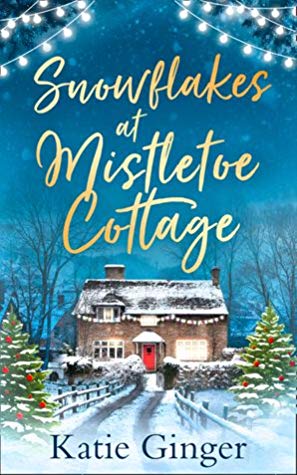 If you enjoy a book that starts with personal disaster and ends in triumph, a tale with sadness underlying humor, and a story that emphasizes the good in people, you will have an enjoyable read with Snowflakes at Mistletoe Cottage. Esme Kendrick is a food technologist; she creates the delectable dishes shown on the famous Felicity Fenchurch’s cooking show. Esme’s life is headed for disaster, however, when she stands up against the theft of her beloved grandmother’s recipes and her long time boyfriend has a less than pleasant surprise for her—all in the same day.
She heads home to Sandchester in defeat, but regroups determined to find success. Fortunately, her lovable and crazy (in a fun way) parents are supportive as are a small group of quirky friends who drive in from London periodically. Esme is a likable character, but you may find yourself yelling at her periodically to stop as she heads for catastrophe.
Will she return to her controlling ex-boyfriend? Can she help her teenage crush recover from a past that haunts him? Is it possible to create a successful blog and find happiness outside of bustling London? Can Esme layer up enough clothes to survive the winter in quaint, but unheated Mistletoe Cottage? Join a cadre of happy readers as you immerse yourself in this Christmasy read that is perfect for any season of the year.
I would like to extend my thanks to netgalley.com and to HQ Digital for giving me the opportunity to read this book in exchange for an honest review.
Rating: 4/5
Category: General Fiction (Adult), Romance
Notes: Contains some bad language, including British vulgarisms
Publication: October 11, 2019—HQ Digital
Memorable Lines:
This was why Esme loved cooking so much. It was history, their history. It meant her grandma who had helped her through so much, whose loss she had felt so deeply, would never be forgotten if her recipes were still being cooked, and the love that went into them still existed.
“If I lived near him I’d key his car—” “He doesn’t own a car, Mum. No one does in London.” “Well then, I’d put itching powder in his underpants and cut the arms and legs off all his suits.” Esme suppressed a smile. “Has Dad only stayed married to you all these years because he’s too scared to leave?”
Life was a large dark hole that she was falling deeper and deeper into, and at the moment there didn’t seem to be a bottom, or a way back to the top. She was just tumbling endlessly downwards.
Telephone Line–mystery set in the 70’s
Telephone Line
by Julie Mulhern
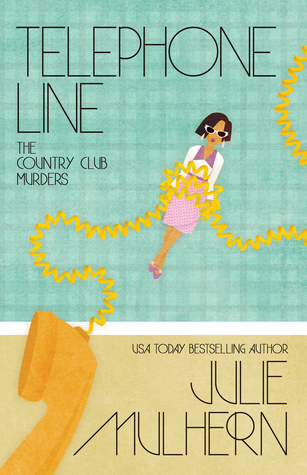 If asked to recommend only one cozy mystery series to be read in its entirety, I would select The Country Club Murders. It (like Ellison’s beloved Mr. Coffee machine) never lets me down. Telephone Line has characters you can care about. The main character, Ellison, really doesn’t want to live up to her reputation and find yet another dead body. Her interactions with her mother, a country club matriarch known as a force to be reckoned with if crossed, play out with great humor. The setting is Kansas City’s upper crust in the 70’s. It’s hard to believe the etiquette-following country club set can be involved in such shenanigans, but crime knows no boundaries. Ellison is aided by her kaftan wearing housekeeper with an investigative background, her boyfriend Detective Anarchy Jones, and her former boyfriend Taft, a lawyer.
With several murders upsetting the city, Ellison has to work hard to stay alive and take care of those she loves. Her dead husband’s blackmailing schemes give her some insider knowledge, but will she be forced to reveal information to Anarchy that will embarrass her family and cause her to relive past traumas?
Although Telephone Line is a great mystery with a surprise ending and lots of humor, it contains a serious side. It deals with rape and the inability of the justice system to adequately support the victim.
I would like to extend my thanks to Edelweiss and to Henery Press for giving me the opportunity to read this book in exchange for an honest review.
Rating: 5/5
Category: Mystery
Notes: #9 in The Country Club Murders series, but can be enjoyed as a standalone.
Publication: June 18, 2019—Henery Press
Memorable Lines:
“Mother—“ maybe I could reason with her (and maybe Gloria Steinem and Hugh Hefner would run away together) “—this is ridiculous.”
“It can’t be Mother.” Mother only called early when things were dire—when she’d heard I’d found a body or when someone with newly acquired wealth was put up for membership at the club.
“Painting centers me. Does that sound too woo-woo?”
“I’m from San Francisco. There’s nothing you could say that would sound too woo-woo.”
 education pathways