Home » Posts tagged 'ghettos'
Tag Archives: ghettos
The Keeper of Hidden Books–importance of books
The Keeper of Hidden Books
by Madeline Martin

This book is perfect for:
—lovers of books, reading, and libraries
—those who think reading is important for continuity of culture
—people who value ideas
—readers who like the notion of discussion in book clubs
—history buffs
—those interested in Poland—culture, history, role in WWII, underground resistance
—Girl Guides and Boy Scouts
—people who want to know more about the horrific treatment by the Nazis of Jews and Poles.
The Keeper of Hidden Books starts gently with Girl Guides preparing their skills for a war they assumed would never happen. Poland had lost its freedom before, and the Poles were determined it would not happen again. We gradually learn about the lives and values of several of the girls and their families. We witness the responses of the Polish citizens—both heroic and traitorous. As the story progresses we watch the destruction by the Nazis of libraries and books and the valiant efforts of librarians and volunteers who resist this extinction of knowledge. We also observe the desire of people of all ages to maintain access to books that provide escapism during times of hunger, persecution and despair.
This is a good book for me because I treasure books as many of the characters in the novel do. It is a warning to all of us to guard our freedoms, especially the freedom of speech which includes the written word. Hitler worked hard to maintain his power through censorship; we must not let history repeat itself.
I received a complimentary copy of this book in exchange for an honest review. Opinions expressed in this review are completely my own.
Rating: 4/5
Category: Historical Fiction
Notes: The author concludes with notes about her research into the history behind her story, a tale which is based on real events and people in Warsaw. Buried in her discussion of the destruction of books by the Hitler Youth is the statement “But the power of books still endured.” That is a distillation of the theme of this book.
Publication: August 1, 2023—Hanover Square Press (Harlequin)
Memorable Lines:
Now the world crumbled in on itself, burning away the beauty of Warsaw, and there was no more time for reading than there was food to eat.
More and more children were appearing at the library as time went on. Many of them were desperate for distraction, to read about faraway places they could not go, or to transport themselves to mythical lands that could still tease at their dulled imaginations. They wanted stories where villains were vanquished. But books were more than a means of escape for these children; they offered another life to live. They offered hope.
…why Hitler so feared the books he banned. There was power in literature. Brilliant and undeniable. Books inspired free thought and empathy, an overall understanding and acceptance of everyone.
The Woman with the Blue Star–refuge in a sewer
The Woman with the Blue Star
by Pam Jenoff
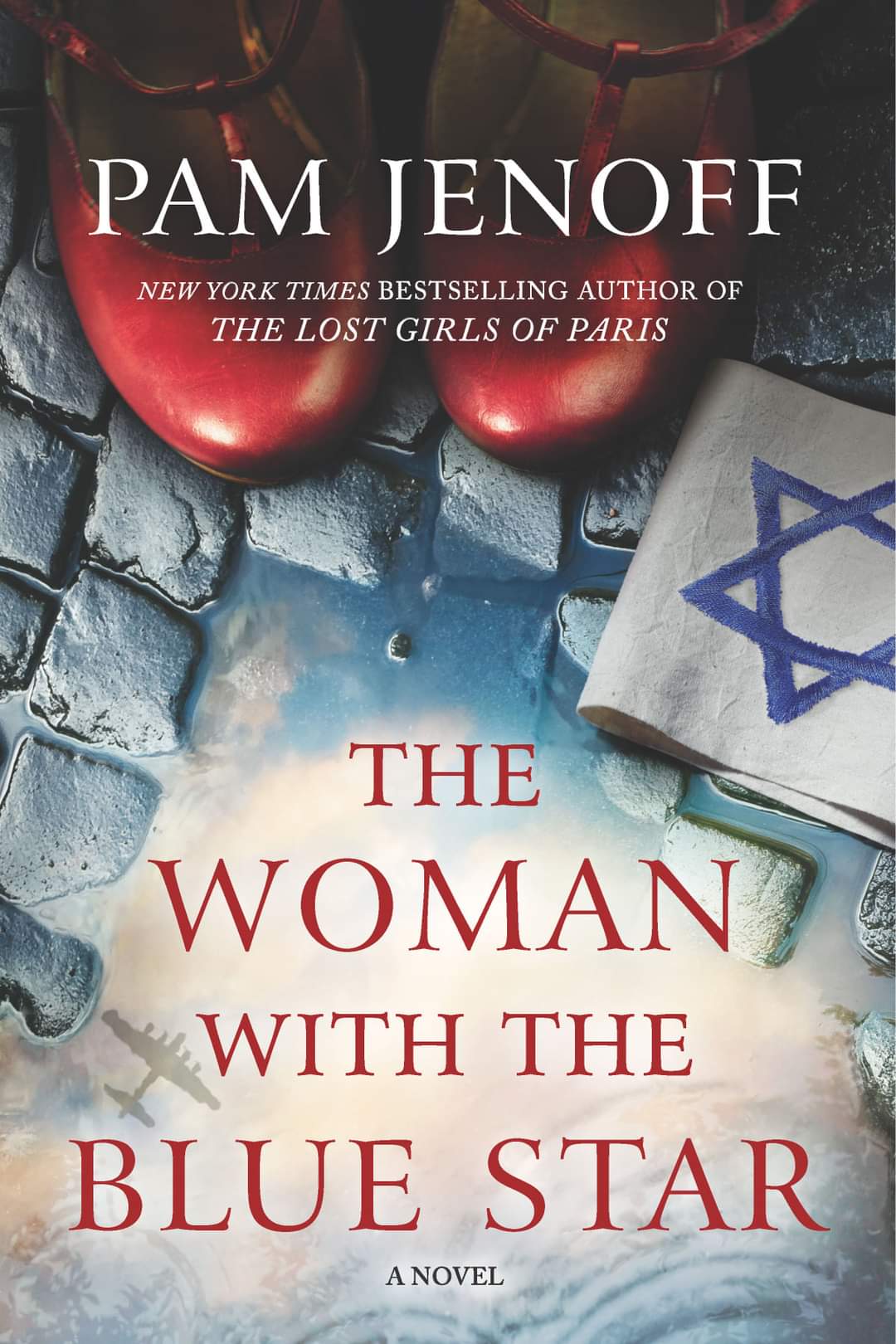
If you are an aficionado of World War II novels, you will probably like The Woman with the Blue Star, the story of Sadie and her family who are forced into a Polish ghetto and later avoid a roundup of Jews for deportation by fleeing to the dark stench and filth of the sewers. Their survival depends on the mercy of the sewer worker who leads them there and provides them with what food could be had in Krakow in 1942. The Germans leave little for the local population and ration cards are required.
Sadie’s path crosses with Ella’s at a chance glance down through a sewer grate. Ella lives with her stepmother who maintains a fairly good standard of living by acting as a mistress to various German officers.
The author describes in detail both the disgustingly putrid conditions for the Jewish family in the sewer and the better, but still precarious, lives of the Polish citizens above ground. The characters and their reactions are generally believable. There are a number of dramatic twists in the story along with some romantic threads and a look at those involved in the Polish Home Army underground movement.
Most of the story seems realistic. I do wonder about the many occasions when Ella ventures out after the government imposed curfew, once even with Sadie above ground. Given the enormous threat of German soldiers and Polish police patrolling the streets, their adventures seem foolhardy and unlikely.
I love the epilogue which confirms something I suspected, but its revelation makes a great twist. Although it is difficult to read about the enormous hardships, this book is an important reminder of a piece of history we should never forget so we will not allow it to be repeated.
I received a complimentary copy of this book in exchange for an honest review. Opinions expressed in this review are completely my own.
Rating: 4/5
Category: Historical Fiction, Women’s Fiction
Publication: May 4, 2021—Harlequin
Memorable Lines:
We had almost nothing by the end; it had all been sold or left behind when we moved to the ghetto. Still, the idea that people could go through our property, that we had no right to anything of our own anymore, made me feel violated, less human.
Once I could not have imagined staying in the sewer for so long. But there was simply nowhere to go. The ghetto had been emptied, all of the Jews who lived there killed or taken to the camps. If we went onto the street, we would be shot on sight or arrested.
Saul talked on and on through his tears, telling stories of his brother, as if pressing the memories of his brother between pages to preserve like dry flowers.
 education pathways