Home » Posts tagged 'classical music'
Tag Archives: classical music
The Alto Wore Tweed–unpretentious protagonist
The Alto Wore Tweed
by Mark Schweizer
This is a very funny mystery and probably different from all other mysteries you have read. The protagonist of The Alto Wore Tweed is Hayden Konig, a man who wears several hats, but is predominantly chief of police and the only detective in St. Germaine, North Carolina, as well as choir master for the Episcopal church. He is highly qualified for both jobs, and music is his passion. He dates Meg, an investment counselor, who lives with and takes care of her aging mother. Hayden also has visions of being a mystery writer in the style of Raymond Chandler. He has several million in investments from the sale of a patent, but lives simply.
Hayden is a nice guy but is not one to butter people up or try to stay on everyone’s good side—especially the new rector at the Episcopal church, Mother Ryan, a woman who holds a “wimmym’s” retreat where the celebrants “ReImagine God in our own feminine image” and suggest new names for God such as Sophia, Moon Mother, and Wanda. The literally explosive, untimely ending to their retreat is hysterically funny.
The janitor at the church is found dead, and much of the book focuses on discovering how he died and who murdered him. Hayden and his staff of two are good at following clues, and I was convinced several times that I knew the identify of the killer only to have the investigation go in a different direction. The method the killer used was uncommon.
The style of writing is humorous, replete with puns and tongue in cheek repartee. The author inserts Hayden’s attempts at mystery writing throughout in a manual typewriter font. His reading audience is the choir as he inserts new chapters in their choir folders weekly for them to read when the service is boring.
The reader watches a Christmas disaster as the Rotary Club and Kiwanis Club create competing creche displays in subfreezing temperatures. What could go wrong when you have live animals, a bagpipe player, and a dromedary who thinks he hears his mating call? This book is the first in a series of 15 books with a distinctive kind of humor.
In discussing this with my book club, I discovered a variety of responses to The Alto Wore Tweed. I think we all agreed that the insertion of the Chandler style mystery was not done well and immediately became a distraction rather than an enhancement. I know I have a quirky sense of humor, and that was confirmed as some members did not find the book nearly as funny as I did. The characters are portrayed by caricatures; across the board almost no one is given a realistic depiction and therein lies the humor for me. There are MANY classical music references, most of which probably had significance which escaped me. If I had not spent some time in Episcopal and Anglican churches with a formal liturgy, I’m not sure I would have understood the format of the services. In conclusion, The Alto Wore Tweed is unconventional and innovative. Its plot is worth following with a complicated mode of murder. I certainly did not determine the killer correctly before the conclusion. Some may consider it irreverent, but it pokes fun at those who think too highly of themselves. Eccentric characters rule the day.
Rating: 4/5
Category: Mystery, Humor
Publication: 2002—SJMP Books
Memorable Lines:
“Oh man,” I said, suddenly remembering everything I had forgotten to bring with me. “Nancy, did you bring any gloves? Mine are in the truck.” “Right here, boss,” she said producing a box of physician’s disposable latex wear and a baggie from her purse. “What a babe!” I said. Then, remembering my PC rules, quickly changed to “I mean, thank you Officer.” Nancy snorted in good-natured disgust and handed me the box.
“On Friday, a woman came into the station and complained to Nancy that the night clerk at the Roadway had sold her baking powder instead of cocaine. She wanted to file a complaint. She even gave Nancy the baggie of powder.” Meg looked at me in disbelief. “Was it baking powder?” “Nope. It was cocaine all right. We drove her down to Boone. Told her she needed to file her complaint from the courthouse. About halfway there, she started getting scared and told us she’d decided not to press charges. Anyway, they booked her on possession and locked her up.”
“Bourbon?” he asked, as soon as I walked in. I may have been becoming a little too predictable. “Sheesh, Kent. It’s ten in the morning. At least we can pretend that we’re being civilized. Pour mine into this coffee.” I pushed his espresso across the desk to him and he poured a couple of fingers into both cups….I stirred my coffee with the end of my pen, wiped it on my jacket and waited for Kent to peruse the file.
The Healing of Natalie Curtis–destroying a culture by forbidding its music
The Healing of Natalie Curtis
by Jane Kirkpatrick

The Healing of Natalie Curtis is historical fiction based on a period in the life of Natalie Curtis, a classically trained singer and pianist during a time when women in music had few lifetime choices—remain single achieving success as a performer or marry and teach. After suffering psychological trauma which also affected her physically, her brother George, who had been cowboying in the Southwest, invited her to accompany him because living there had done wonders for his health.
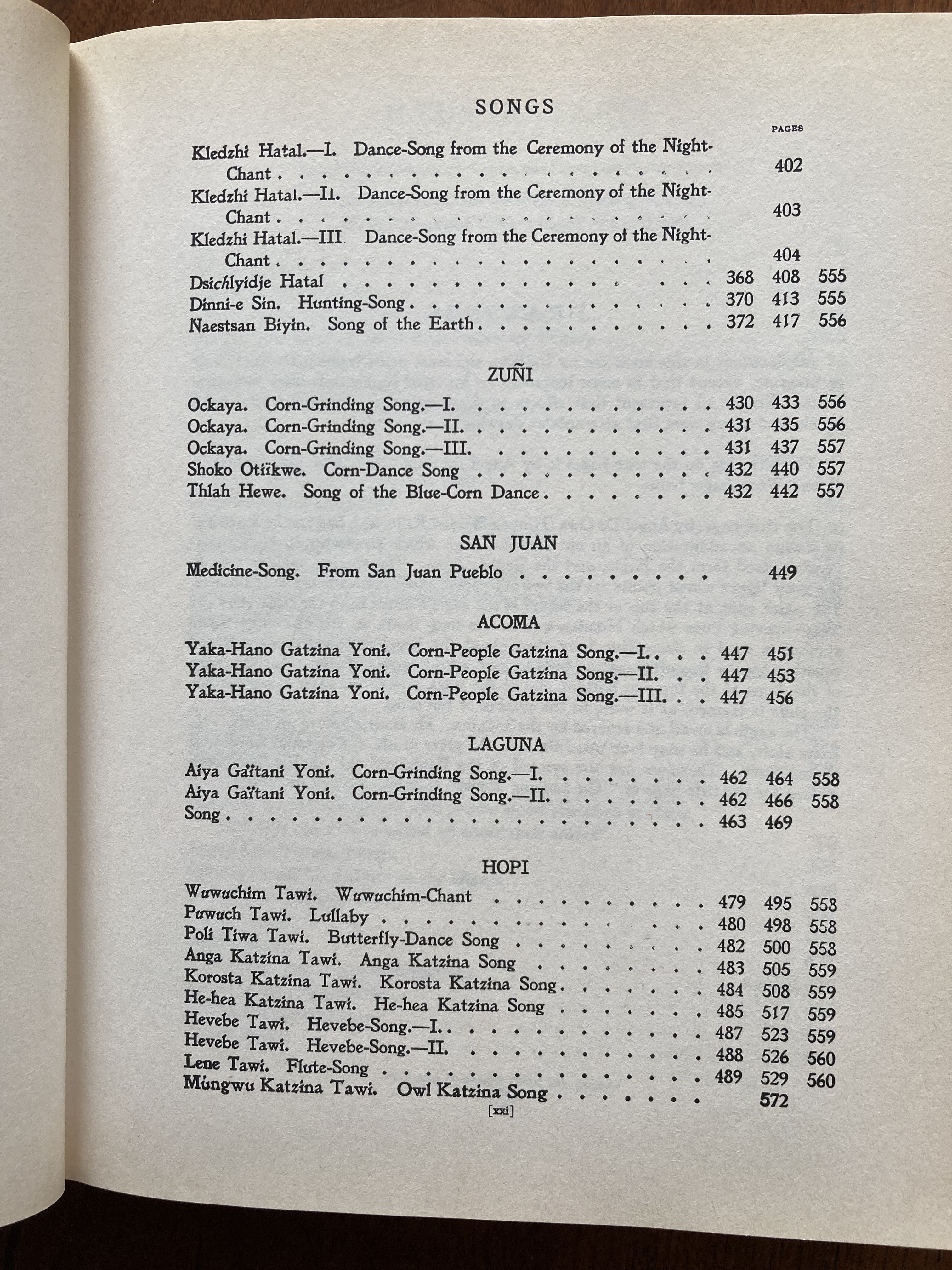
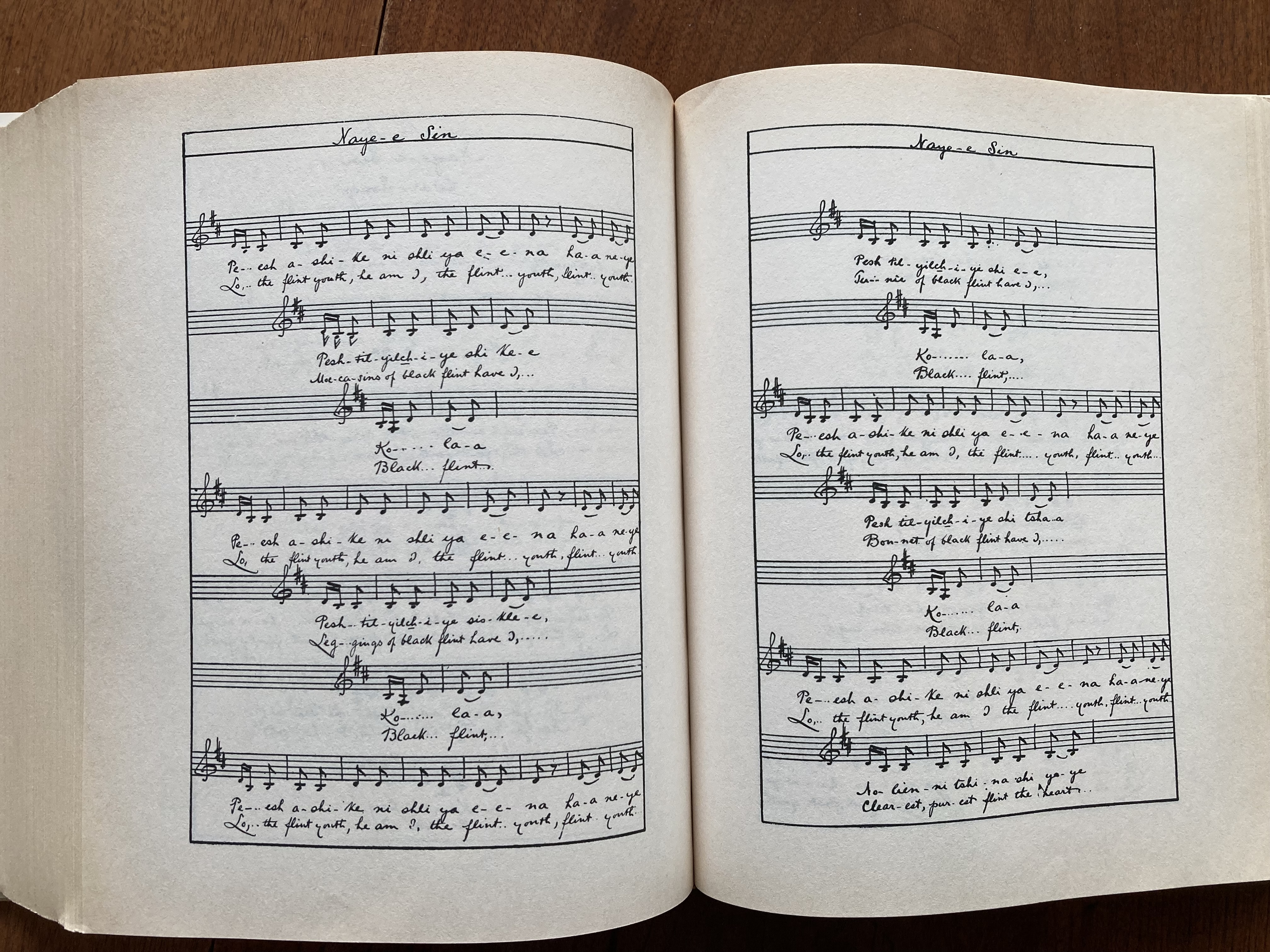
Natalie embarked on a developing, many year journey to record the music and dances of many American Indian tribes. She was afraid their voices would be forever lost as the U.S. government had imposed a Code of Offenses forbidding native singing, dancing, and other customs in its desire to assimilate the “savages” into a white culture. If they broke the Code, their food rations were cut and penitentiary was a possibility. Horrified by the treatment of the Indians, she set about to respectfully learn their stories and compile them along with their music in a book. To do this meant she had to gain legal access which she obtained by letters petitioning President Theodore Roosevelt and finally getting personal appointments with him.
Political change was slow and Natalie had roadblocks along the way. Her family wanted her at home, and she needed benefactors to fund her project. She made many friends, both Anglo and Indian along the way. She and her brother spent many nights camping, and she had to learn to ride horses western style. Her wardrobe changed from that of a proper lady in the early 1900’s to outrageous split skirts for riding and plain dresses adorned with native jewelry.
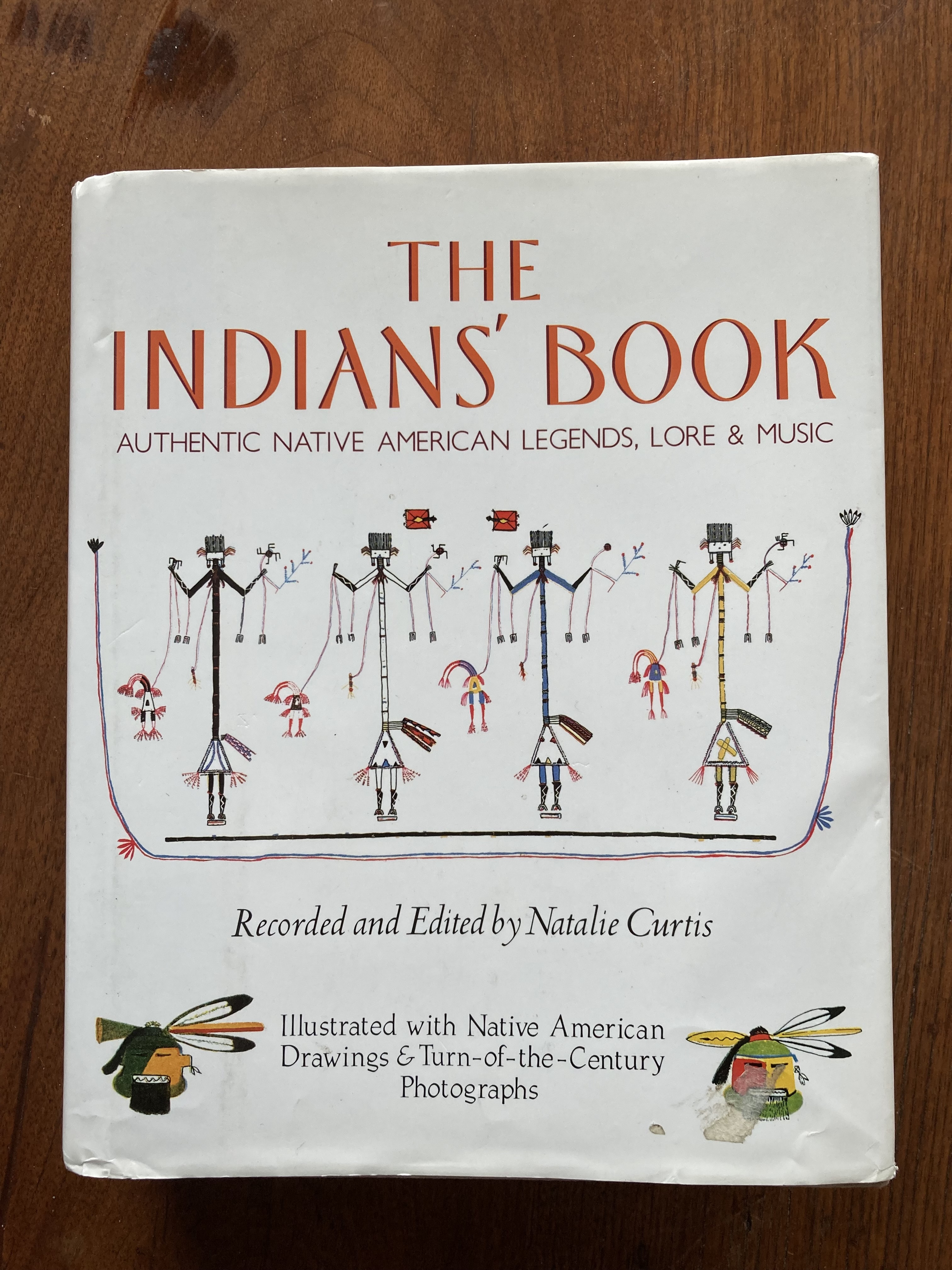
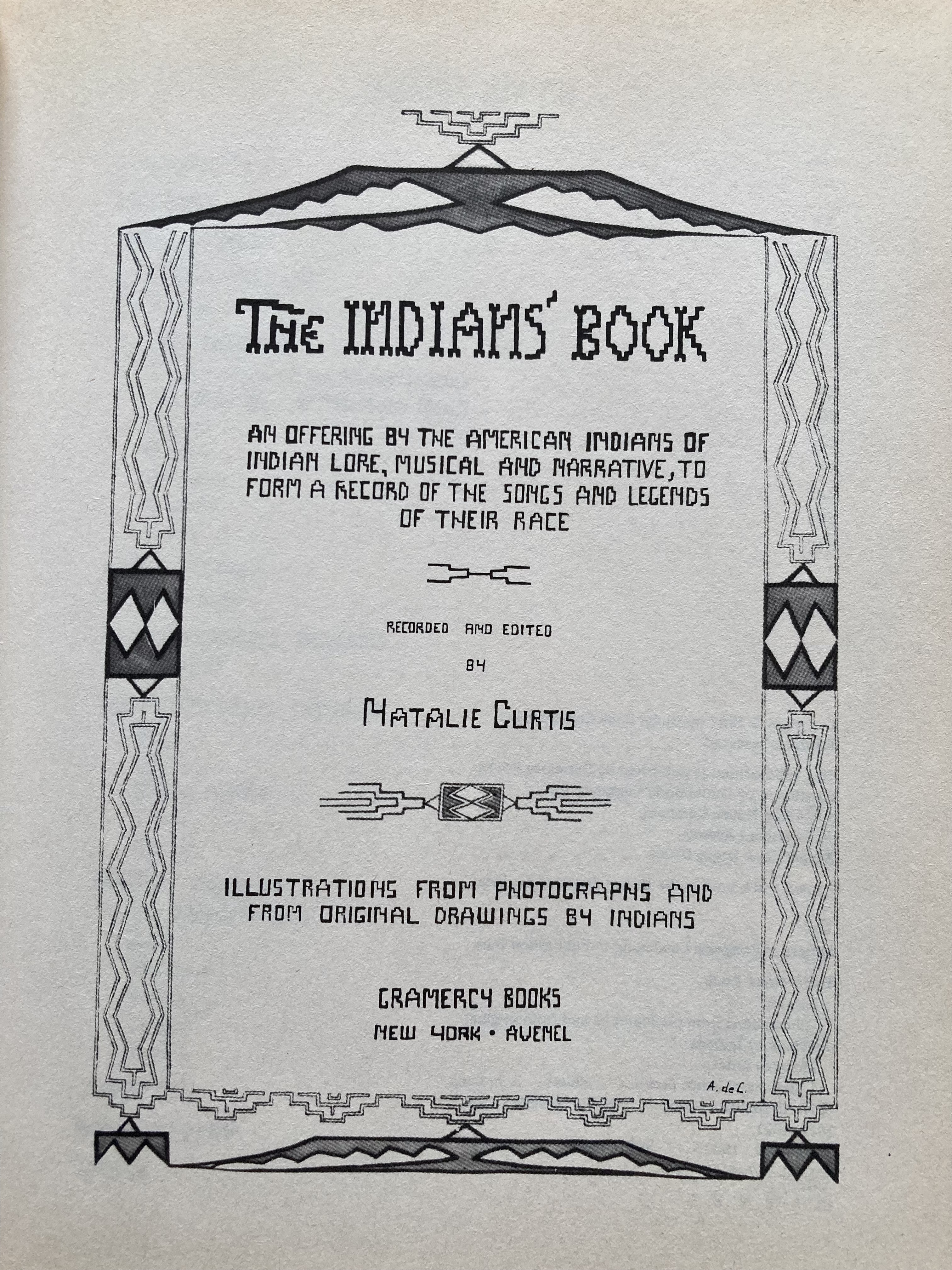
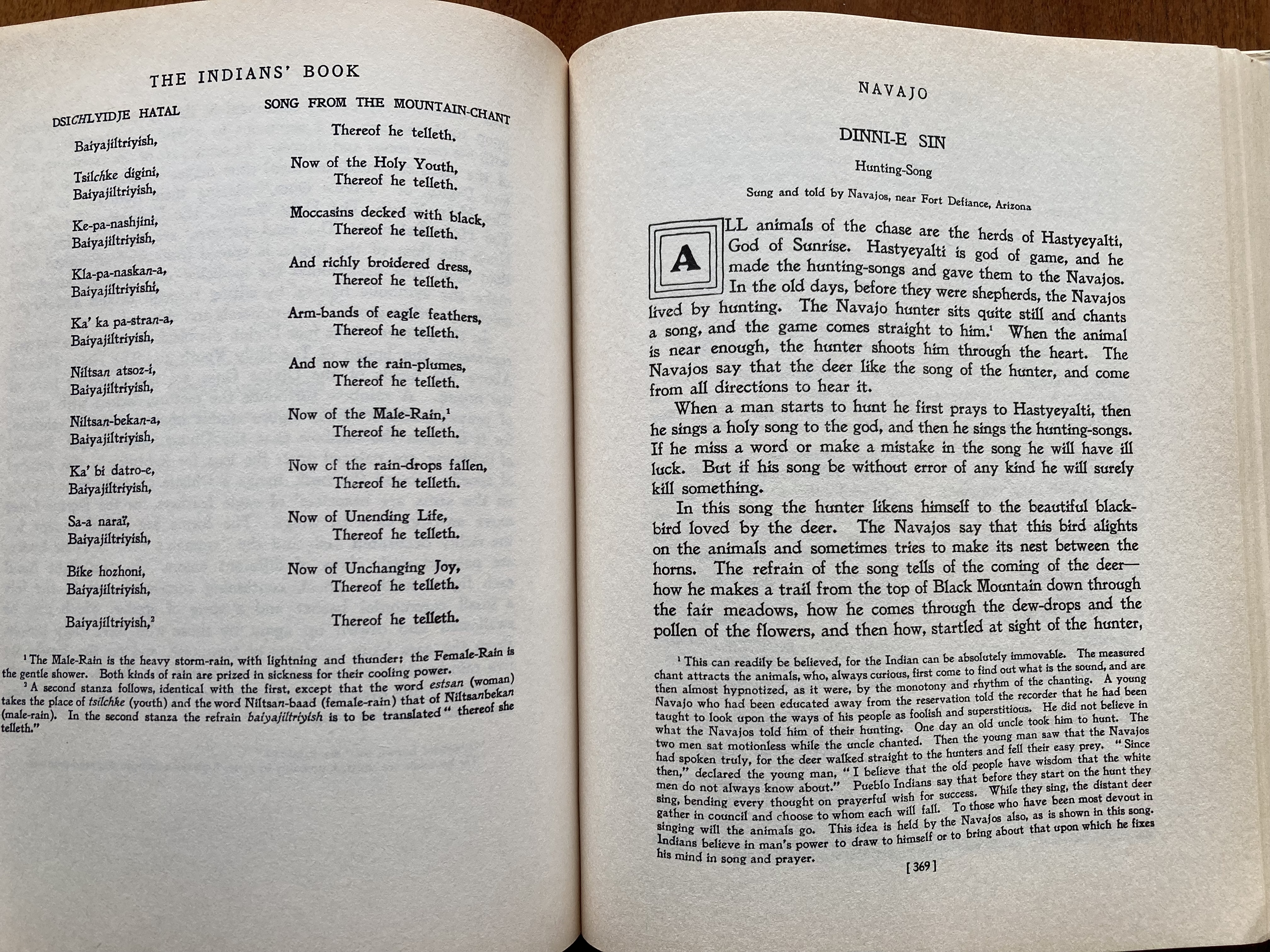
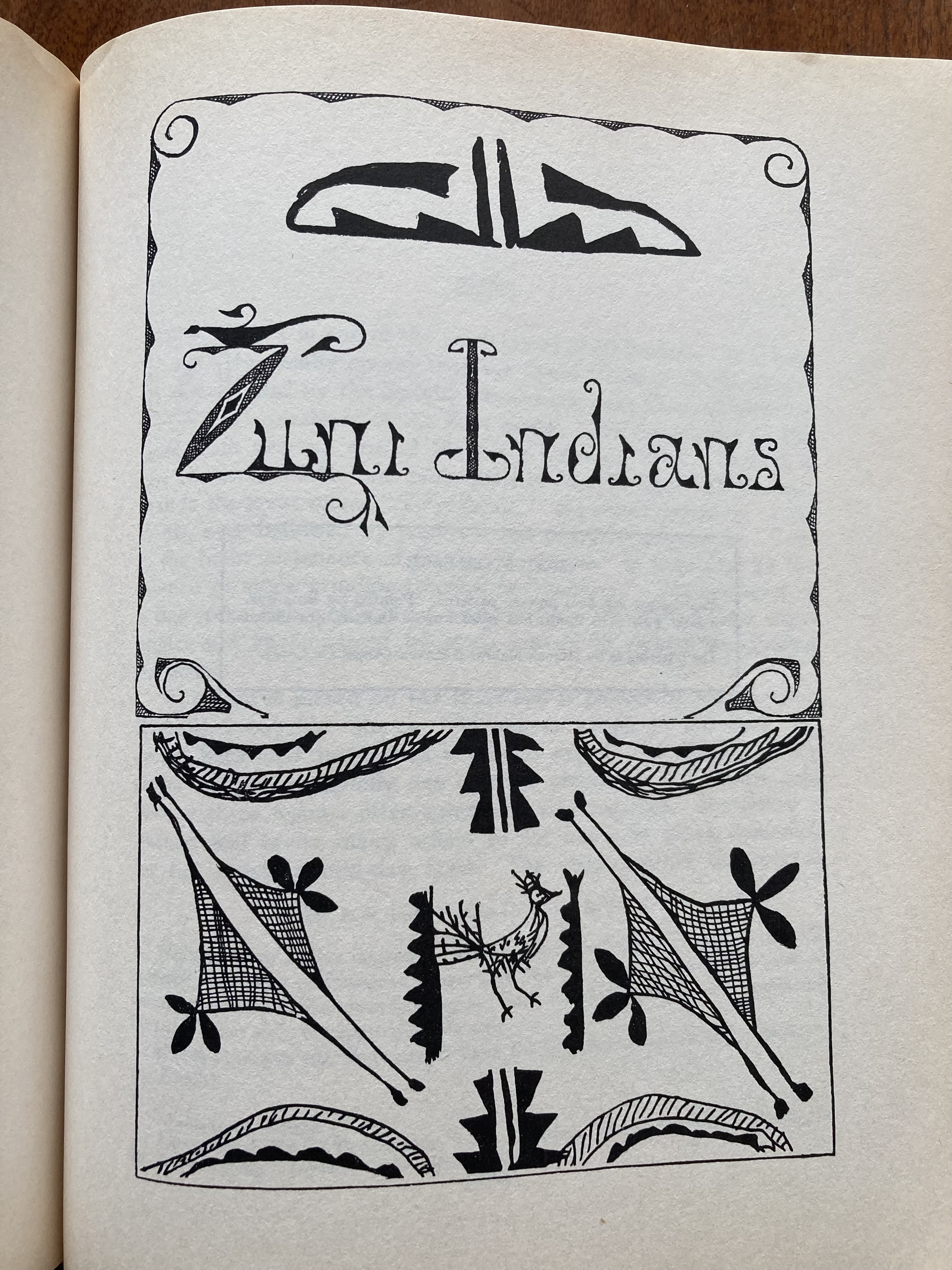
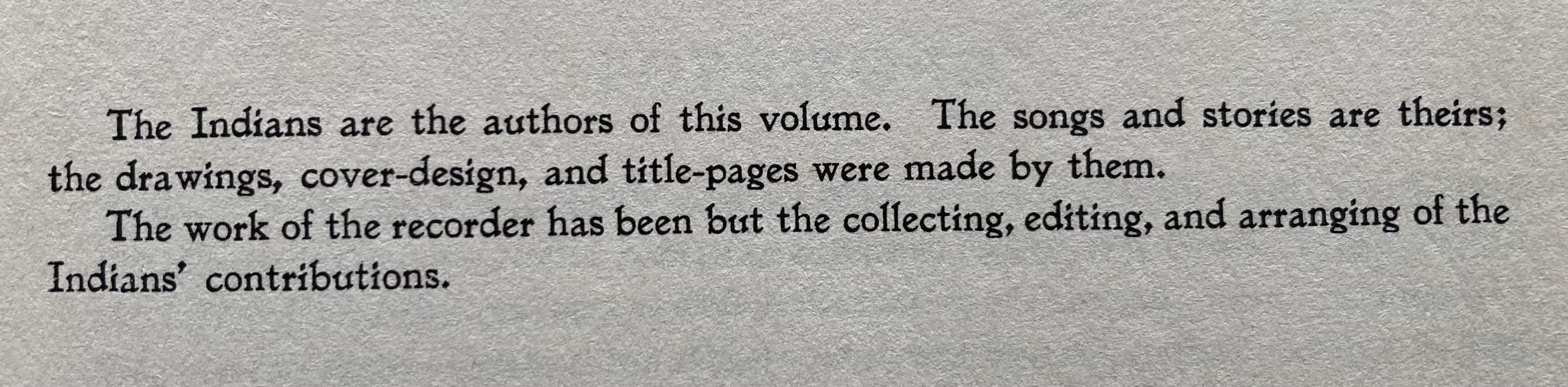
Initially I was puzzled by Natalie’s illness and her abrupt abandonment of the music world for five years, but the causes were revealed as the story progressed. This book is as much about Natalie’s struggle to change attitudes toward the Indians and consequently treatment of them as about the music itself. She threw herself into this project with the same enthusiasm and drive that she had exerted in developing her music career. The book is very factually based except for conversations which had to be imagined but were based on the context of her known travels and meetings. By the time I finished reading The Healing of Natalie Curtis, I had ordered a copy of the book Natalie put together from her research, The Indians’ Book, which was a major resource for author Jane Kirkpatrick. My desire was to see the finished product of almost 600 pages. Wanting to make it clear that the book truly belonged to the Indians, she called herself the editor rather than the author.
I received a complimentary copy of this book in exchange for an honest review. Opinions expressed in this review are completely my own.
Rating: 4/5
Category: Historical Fiction
Notes: 1. In keeping with the times, Natalie Curtis, Jane Kirkpatrick, and I have used the designation “Indians” for the indigenous people living in the U.S. The various tribes all had names for themselves in their own languages which often translated as “The People.”
2. The end of the book contains: Suggested Additional Reading, Book Group Questions, and Author’s Notes that address cultural issues and the factual basis for the book.
Publication: September 7, 2021—Revell (Baker Publishing)
Memorable Lines:
This dismissiveness had happened before, mostly with professional men who saw any independent unmarried woman as lacking brains and capable of nothing more than sitting at Daddy’s table and taking nourishment from others.
“What I don’t understand,” Natalie said, “is how the Hopi are punished for practicing their religious customs, and those same songs and dances are advertised to bring people to see them. Burton approves because the railroad wants the business?”
This was what she was called to do, to save these songs and more, to give these good people hope that their way of life would not be lost to distant winds.
PHOTOGRAPHS FROM
THE INDIANS’ BOOK:
If My Moon Was Your Sun–the Great Forgetting
If My Moon Was Your Sun
by Andreas Steinhöfel
Illustrated by Nele Palmate
Translation by Matthew O. Anderson
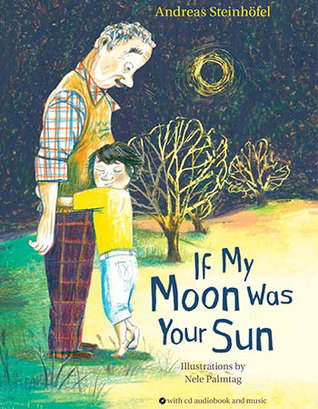 If My Moon Was Your Sun is the poignant tale of ten year old Max who kidnaps his grandfather from an assisted living facility where he lives because he is gradually losing his memory. Max takes his grandpa to Grandpa’s favorite place where he first kissed his future wife and asked her to marry him. They are accompanied on their adventure by Miss Schneider who relives her younger days by dancing through the meadow.
I was provided with a digital version of this book for reviewing purposes, but the actual book has a CD audiobook with classical music by Georges Bizet and Sergei Prokofiev. The original story was created as part of the Ohrenspitzer project for children’s concerts. There are annotations throughout the book indicating the musical work and composer that accompanies each segment of the book. Most of the compositions are by Prokofiev, so I listened to some of his works and can only imagine how wonderful the union of the story, artwork, and music must be.
I would like to extend my thanks to netgalley.com and to Plough Publishing House for giving me the opportunity to read this book in exchange for an honest review.
Rating: 5/5
Category: Children’s Fiction, Parenting and Families
Notes: accompanied by CD audiobook
Publication: November 1, 2017—Plough Publishing House
Memorable Lines:
The special thing happened when you let yourself sink slowly into the tall grass and pressed your hands into earth, which was firm and yet soft too, as though it could breathe. You closed your eyes, you breathed deeply in and out, and in no time at all you felt rooted and alive. Your thoughts became clear and orderly: the right thoughts flowed through your mind like cool, wet silver, and the wrong thoughts burned up like rust in a very hot fire.
To keep the Great Forgetting away from Grandfather when it tried to grab hold of him, it was sometimes enough to hug him tightly, offering nearness and security.
Watching Miss Schneider dance was like watching the sun spill itself over the earth. Stiff arms and legs, now in motion, suddenly seemed touched by eternal youth, and from their graceful movements a lightness flowed throughout the valley.
 education pathways