
Home » play
Category Archives: play
The Comedy of Errors–mistaken identities
The Comedy of Errors
by William Shakespeare
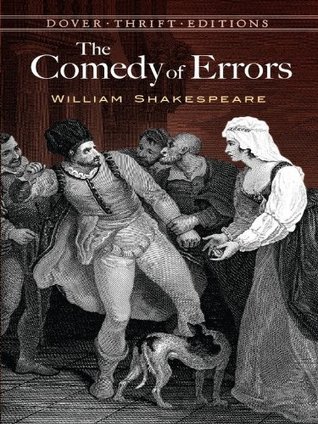
A few months ago, upon hearing about a crazy set of circumstances and events that involved a friend, it immediately came to my mind that the situation was a “comedy of errors.” Then, I pulled out my book containing all the plays of Shakespeare to confirm the source of the phrase. Indeed, Shakespeare did write a play with that title. I determined that it was one of his works that I had not read. I put the book aside and decided on a quiet Sunday afternoon that I would enjoy the tale.
My first takeaway is that it has been a very long time since I read or studied any Shakespeare. Therefore, there was a bit of a learning curve to dive back in. The language is definitely different from our twenty-first century way of speaking and cultural references. Secondly, the text is dramatic; it was written to be acted, not read, and therein lies the rub.
The Comedy of Errors is, as comes as no surprise, a comedy. Its effectiveness depends a lot on timing; and, I would imagine, much could be interpreted as slapstick. Judging from posts on YouTube, presentations of this play have been are popular and are set in a variety of eras. I think I would prefer a period piece. It was one of Shakespeare’s first plays.
The basic plot is that a set of infant twins and their accompanying slave twins were separated in a shipwreck. The father was able to stay with his son and one of the infant slaves. The mother and her charges were eventually separated from each other. Twenty-five years later they all end up in the same city leading to multiple cases of confused identities. It is a funny plot with no expert analysis needed to enjoy the story.
Rating: It’s Shakespeare—can it even be rated?
Category: Comedy, Classic
Notes: My copy was edited by Paul A. Jorgensen who introduces the play and includes footnotes on word meanings and context of the times.
Publication: Written: approximately 1592;
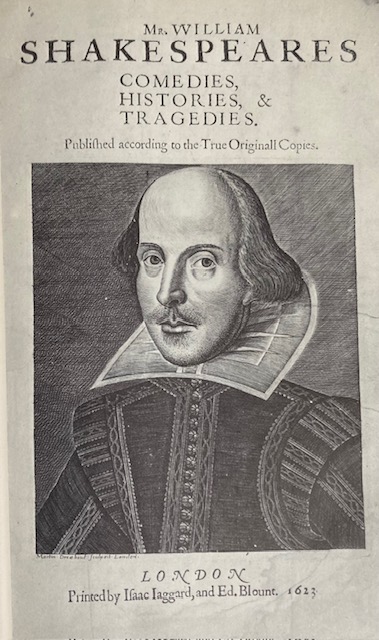
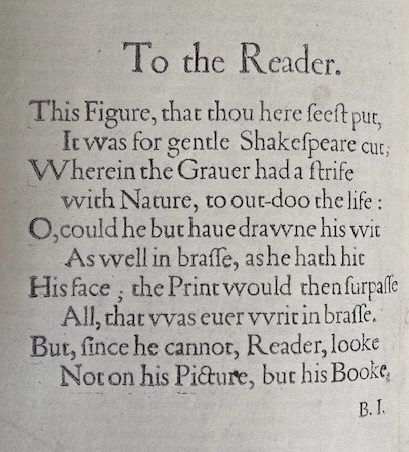
first published in the folio of 1623;
My version: William Shakespeare: The Complete Works—1969, Penguin Books
Memorable Lines:
“Am I in earth, in heaven, or in hell?
Sleeping or waking? Mad or well advised?
Known unto these, and to myself disguised!”
From the editor: “He (Shakespeare) allowed the play to speak for itself, to make its incredible muddle of events its adequate explanation for being.”
The Importance of Being Earnest : A Trivial Comedy for Serious People
The Importance of Being Earnest
by Oscar Wilde
There is probably no better work to evoke book club discussion than Oscar Wilde’s famous satirical play The Importance of Being Earnest. The extreme characters as well as the situation are the source of humor as Wilde mocks the customs and manners of Victorian England. In our discussion we examined parody, satire, and sarcasm, when each is appropriate, and their potential hurtful nature. We also talked about what constitutes humor.
Wilde’s characters border on the absurd. The women are fluff, the men are profligates who nevertheless think highly of themselves, and no one tells the truth. In fact, the lies that both male protagonists have told are the basis of the humorous confusions in the story. Jack lives in the country, but pretends to need to go frequently to the city because of a younger brother named Ernest who gets into scrapes. When he is in the city, Jack goes by the name of Ernest. Jack’s friend Algernon wants to meet Jack’s ward so he goes to Jack’s house as Ernest. It just happens that Cecily, Jack’s ward, and Gwendolen, Jack’s fiancee agree that they could only love someone whose name is Ernest. The two young ladies’ diaries are a source of amusement as the events in the diary are fictional. For example, Cecily records the marriage proposal of Algernon as Ernest, their breakup, and subsequent reunion even though they have never met.
The Importance of Being Earnest was first presented on February 14, 1895. It continues to amuse audiences today in live theater presentations and in a number of video productions.
Rating: 5/5
Category: Drama, Satire
Publication: February 14, 1895—original production
March 1, 1997—Project Gutenberg
Memorable Lines:
The amount of women in London who flirt with their own husbands is perfectly scandalous. It looks so bad. It is simply washing one’s clean linen in public.
I never travel without my diary. One should always have something sensational to read in the train.
Cecily: That certainly seems a satisfactory explanation, does it not? Gwendolen: Yes, dear, if you can believe him. Cecily: I don’t. But that does not affect the wonderful beauty of his answer. Gwendolen: True. In matters of grave importance, style, not sincerity is the vital thing.

