
Home » Comedy
Category Archives: Comedy
The Comedy of Errors–mistaken identities
The Comedy of Errors
by William Shakespeare
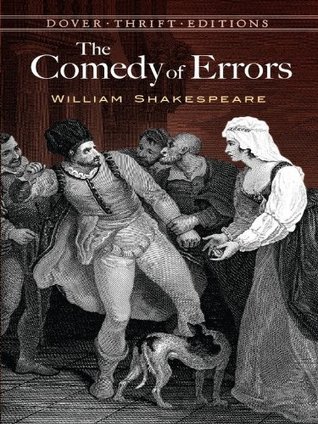
A few months ago, upon hearing about a crazy set of circumstances and events that involved a friend, it immediately came to my mind that the situation was a “comedy of errors.” Then, I pulled out my book containing all the plays of Shakespeare to confirm the source of the phrase. Indeed, Shakespeare did write a play with that title. I determined that it was one of his works that I had not read. I put the book aside and decided on a quiet Sunday afternoon that I would enjoy the tale.
My first takeaway is that it has been a very long time since I read or studied any Shakespeare. Therefore, there was a bit of a learning curve to dive back in. The language is definitely different from our twenty-first century way of speaking and cultural references. Secondly, the text is dramatic; it was written to be acted, not read, and therein lies the rub.
The Comedy of Errors is, as comes as no surprise, a comedy. Its effectiveness depends a lot on timing; and, I would imagine, much could be interpreted as slapstick. Judging from posts on YouTube, presentations of this play have been are popular and are set in a variety of eras. I think I would prefer a period piece. It was one of Shakespeare’s first plays.
The basic plot is that a set of infant twins and their accompanying slave twins were separated in a shipwreck. The father was able to stay with his son and one of the infant slaves. The mother and her charges were eventually separated from each other. Twenty-five years later they all end up in the same city leading to multiple cases of confused identities. It is a funny plot with no expert analysis needed to enjoy the story.
Rating: It’s Shakespeare—can it even be rated?
Category: Comedy, Classic
Notes: My copy was edited by Paul A. Jorgensen who introduces the play and includes footnotes on word meanings and context of the times.
Publication: Written: approximately 1592;
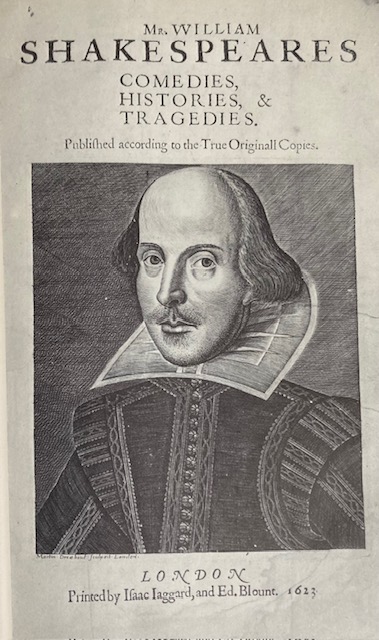
first published in the folio of 1623;
My version: William Shakespeare: The Complete Works—1969, Penguin Books
Memorable Lines:
“Am I in earth, in heaven, or in hell?
Sleeping or waking? Mad or well advised?
Known unto these, and to myself disguised!”
From the editor: “He (Shakespeare) allowed the play to speak for itself, to make its incredible muddle of events its adequate explanation for being.”
 education pathways