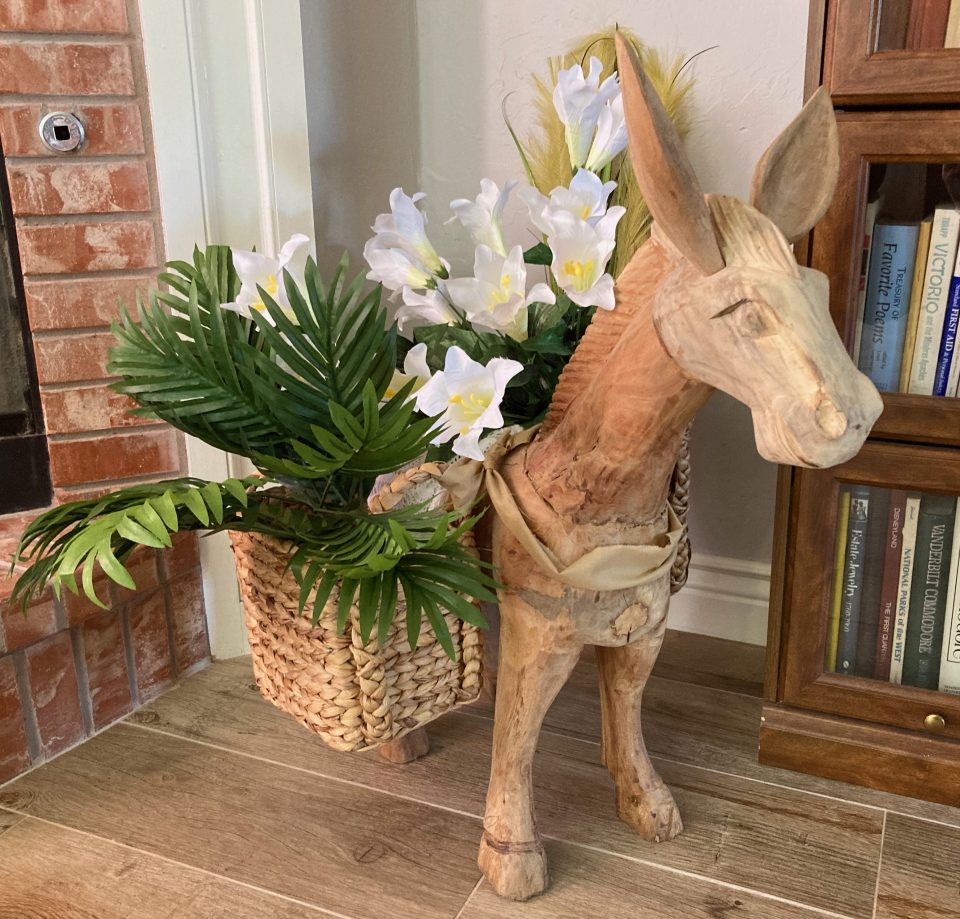
Feliz Navidad! A Christmas Tree for Book Lovers!

This Christmas tree made from books is in the Biblioteca Gertrudis Bocanegra, a public library in Pátzcuaro, Michoacan, México. The library is located in Plaza Chica, officially known as Plaza Bocanegra. The library occupies a 16th-century the building that was a San Agustin church. It was built in 1574 and converted into a library in 1936. The mural in the background was created by Juan O’Gorman. It depicts Michoacán’s history beginning with the pre-Hispanic era and ending with the 1910 revolution. I visited this library when I lived in Pátzcuaro, and the mural is incredible. The building is located on a plaza with numerous small shops (tiendas) and a very large outdoor market (mercado). The plaza is always bustling with pedestrians, autos, taxis and public transportation vans (combis).
Thanks to Rick M. of Michoacán who granted permission to display his photograph.
Below is a picture of the exterior of the building.
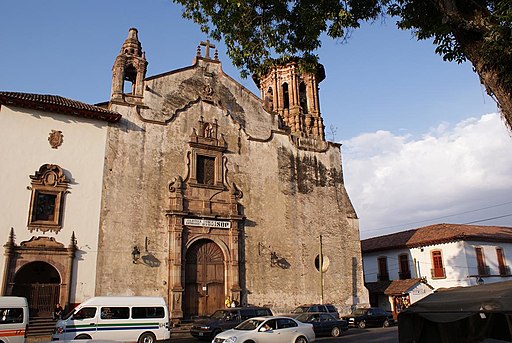
Credit for this photo belongs to Wiper México, CC BY-SA 3.0, https://commons.wikimedia.org/w/index.php?curid=52416290
The Remarkable Ordinary: How to Stop, Look, and Listen to Life
The Remarkable Ordinary
by Frederick Buechner

Art and music as gateways to God—an interesting thought Frederick Buechner uses as the basis of his first chapter in The Remarkable Ordinary. That beginning was a little slow to take hold on me, and it didn’t really continue on as a predominant theme in the book. In fact, the book continues forward in three parts with a total of eight chapters. As I read, I felt like I was examining Buechner’s mind, his thought processes, his memories, and most importantly his search for God in the ordinary things of life. When he began a relationship with Christ, he was “all in.” Not content to read the Bible through as a first step, he wanted to jump right into seminary. He eventually decided that his training in the ministry and his skills would be best used as a writer rather than as a pastor. He never used the term philosopher, but that is what I see him as. The Remarkable Ordinary is part philosophical treatise and part memoir. He delves into therapy sessions, dreams, and family history that helped form his character and beliefs.
Buechner is honest and introspective, and the book is a product of his soul searching. Each chapter is a collection of his thoughts on various themes. He reflects on holiness, our personal journeys, our efforts at controlling others, and the wars we wage with ourselves and those around us. He shows facets of God to us as he examines the arts, other people, the ordinary things around us, and our stories, dreams and memories. He ties all of these parts of the “remarkable ordinary” into our need to “stop, look, and listen to life.”
I actually read much of the book twice in an effort to understand Buechner’s views. It is different from other books I have read by religious leaders. Buechner is very open about his beliefs and his past and yet, probably rightly, he did not reveal all as he continued to clarify his thoughts. Some things are too personal to share with the world. Frederick Buechner passed away on August 15. 2022, leaving behind a legacy of 39 works of fiction and nonfiction in several genres written over a span of 60 years.
Rating: 4/5
Category: Nonfiction, Christian
Publication: October 3, 2017—Zondervan
Memorable Lines:
It seems to me almost before the Bible says anything else, it is saying that—how important it is to be alive and to pay attention to being alive, pay attention to each other, pay attention to God as he moves and as he speaks. Pay attention to where life or God has tried to take you.
We’ve all had saints in our lives, by which I mean not plaster saints, not moral exemplars, not people setting for us a sort of suffocating good example, but I mean saints in the sense of life-givers, people through knowing whom we become more alive.
I was so motivated because I was at that point so on fire with, I can only say, Christ. I was to the point where when I would see his name on a page, it was like seeing the face of somebody you loved, and my heart would beat faster. I had to find out more about him.
I certainly am always at war one way or another with myself, and some of them are wars I must fight to try to slay the demons, to kill the dragon, to lay the ghost to rest. But there are other wars you fight with yourself that are really not worth fighting at all. The war to make yourself be more, do more than you have it in you really to do or to be.
Help is Here: Finding Fresh Strength and Purpose in the Power of the Holy Spirit
Help is Here
by Max Lucado

In the way Max Lucado presents information in all of his writings, he tells us in Help is Here about the Holy Spirit—with lots of Scripture as the basis to which he adds humor and anecdotes to make his point clear and personalize it for the reader. I never realized how many verses of the Bible, especially the New Testament, talk about the Holy Spirit: who He is, His job description, and how we can access His power and help. As always, Max points the reader to God: the Father, the Son, and the Holy Spirit.
When you are in such despair that you don’t know how to pray, the Holy Spirit will intercede and pray for you. When you have a task that is too big for you, you can have the Holy Spirit walking beside you, empowering you. Nothing is too big or too hard for Him. When you need direction, the Holy Spirit is there. When you feel totally undone, the Holy Spirit can breathe new life into you. If you have never investigated the role of the Holy Spirit, I urge you to read Help is Here. Max explains His role in the world and urges you to welcome the Holy Spirit into every part of your day. Practical and inspirational, Help is Here is a treasure for Christians whether you have been walking with Jesus for a lifetime or you have just met Him. If you are a seeker wanting to know more about God, this is a good book for you too.
Rating: 5/5
Category: Christian, Nonfiction, Inspiration
Notes: Help is Here ends with “Questions for Reflection” prepared by Max’s daughter Andrea Lucado. There is a set of questions for each chapter. The book concludes with a few pages of footnotes.
Publication: September 13, 2022—Thomas Nelson
Memorable Lines:
…your Father is more than willing to release blessings in abundance. You have the Spirit as your advocate and your Father as your provider. You may feel weak, but you’ve never been stronger.
We have a helper, a divine instructor. He will save us from the cul-de-sac of confusion and the dead end of doubt. He does this by enrolling us in the primary course of his university: Jesus Christ.
The chief aim of the Spirit is to escort you into the Sistine Chapel of Jesus and watch you grow wide-eyed and slack-jawed. He will enchant you with the manger, empower you with the cross, embolden you with the empty tomb. He will infect you with his love for the Savior.
The help you need is here. Ask the Spirit to infuse you with his power. Throw open the door! Swing wide the gate! Stand on the threshold and say “Come in!”
The Healing of Natalie Curtis–destroying a culture by forbidding its music
The Healing of Natalie Curtis
by Jane Kirkpatrick

The Healing of Natalie Curtis is historical fiction based on a period in the life of Natalie Curtis, a classically trained singer and pianist during a time when women in music had few lifetime choices—remain single achieving success as a performer or marry and teach. After suffering psychological trauma which also affected her physically, her brother George, who had been cowboying in the Southwest, invited her to accompany him because living there had done wonders for his health.
Natalie embarked on a developing, many year journey to record the music and dances of many American Indian tribes. She was afraid their voices would be forever lost as the U.S. government had imposed a Code of Offenses forbidding native singing, dancing, and other customs in its desire to assimilate the “savages” into a white culture. If they broke the Code, their food rations were cut and penitentiary was a possibility. Horrified by the treatment of the Indians, she set about to respectfully learn their stories and compile them along with their music in a book. To do this meant she had to gain legal access which she obtained by letters petitioning President Theodore Roosevelt and finally getting personal appointments with him.
Political change was slow and Natalie had roadblocks along the way. Her family wanted her at home, and she needed benefactors to fund her project. She made many friends, both Anglo and Indian along the way. She and her brother spent many nights camping, and she had to learn to ride horses western style. Her wardrobe changed from that of a proper lady in the early 1900’s to outrageous split skirts for riding and plain dresses adorned with native jewelry.
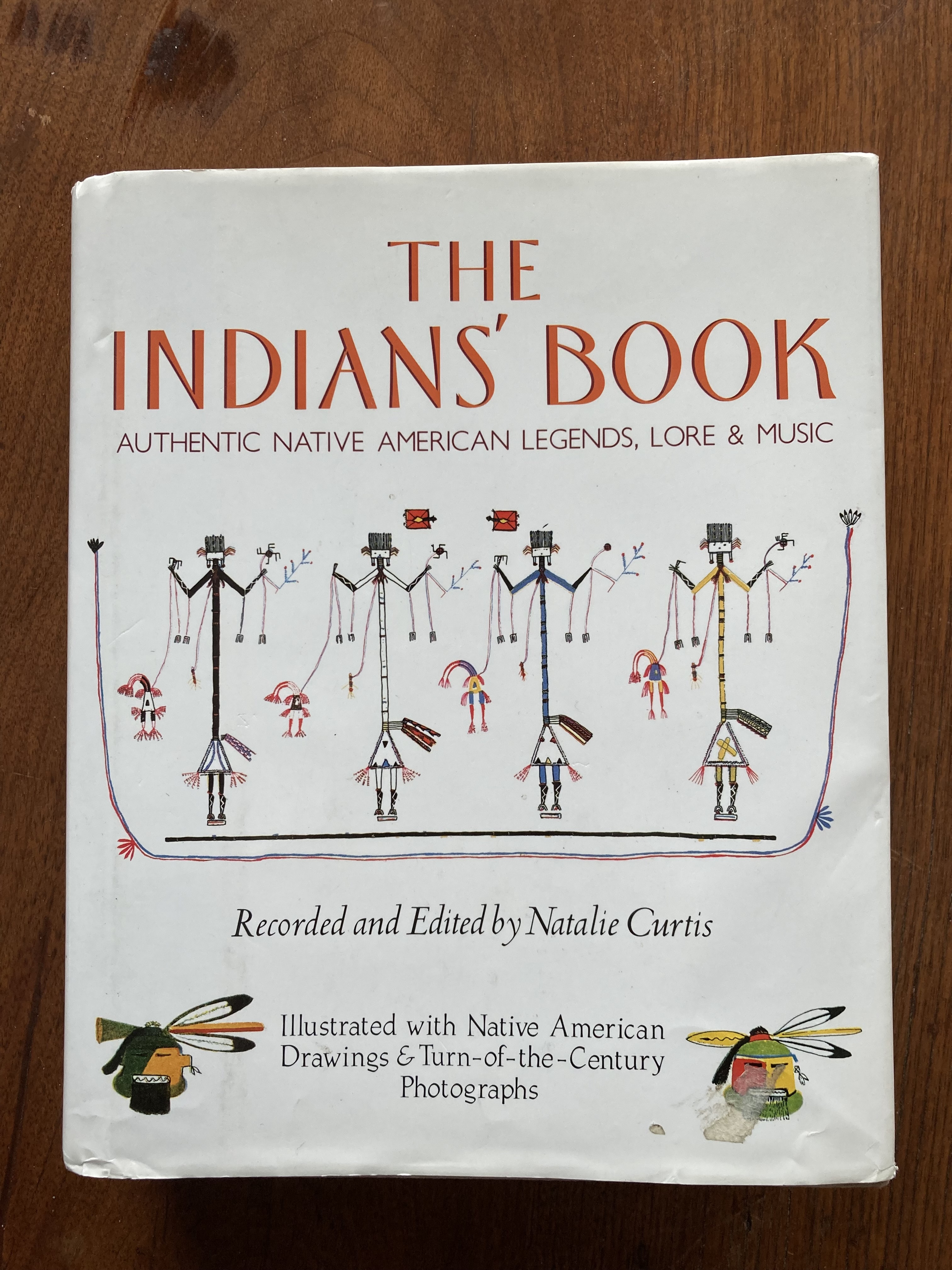
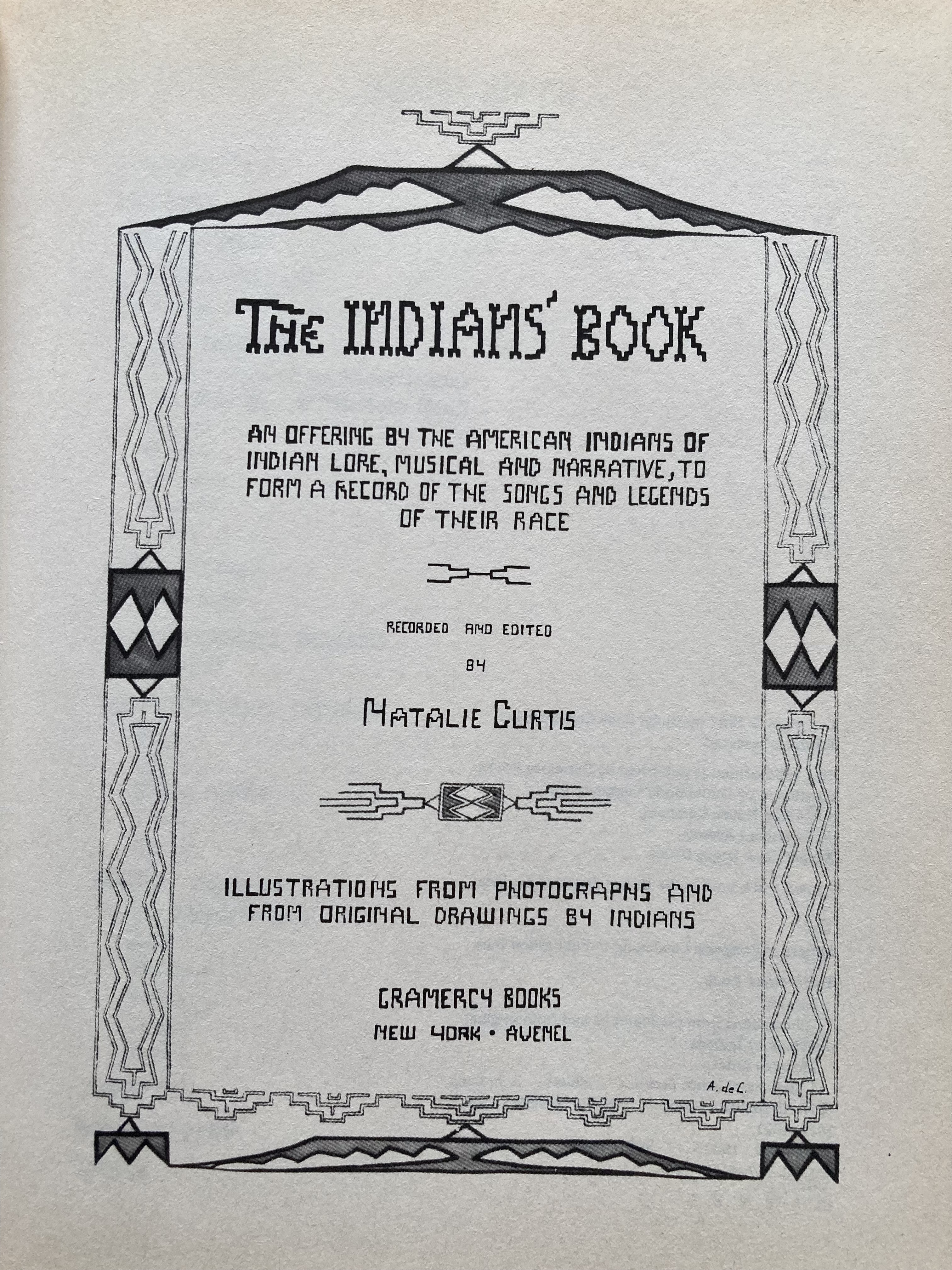
Initially I was puzzled by Natalie’s illness and her abrupt abandonment of the music world for five years, but the causes were revealed as the story progressed. This book is as much about Natalie’s struggle to change attitudes toward the Indians and consequently treatment of them as about the music itself. She threw herself into this project with the same enthusiasm and drive that she had exerted in developing her music career. The book is very factually based except for conversations which had to be imagined but were based on the context of her known travels and meetings. By the time I finished reading The Healing of Natalie Curtis, I had ordered a copy of the book Natalie put together from her research, The Indians’ Book, which was a major resource for author Jane Kirkpatrick. My desire was to see the finished product of almost 600 pages. Wanting to make it clear that the book truly belonged to the Indians, she called herself the editor rather than the author.
I received a complimentary copy of this book in exchange for an honest review. Opinions expressed in this review are completely my own.
Rating: 4/5
Category: Historical Fiction
Notes: 1. In keeping with the times, Natalie Curtis, Jane Kirkpatrick, and I have used the designation “Indians” for the indigenous people living in the U.S. The various tribes all had names for themselves in their own languages which often translated as “The People.”
2. The end of the book contains: Suggested Additional Reading, Book Group Questions, and Author’s Notes that address cultural issues and the factual basis for the book.
Publication: September 7, 2021—Revell (Baker Publishing)
Memorable Lines:
This dismissiveness had happened before, mostly with professional men who saw any independent unmarried woman as lacking brains and capable of nothing more than sitting at Daddy’s table and taking nourishment from others.
“What I don’t understand,” Natalie said, “is how the Hopi are punished for practicing their religious customs, and those same songs and dances are advertised to bring people to see them. Burton approves because the railroad wants the business?”
This was what she was called to do, to save these songs and more, to give these good people hope that their way of life would not be lost to distant winds.
PHOTOGRAPHS FROM
THE INDIANS’ BOOK:
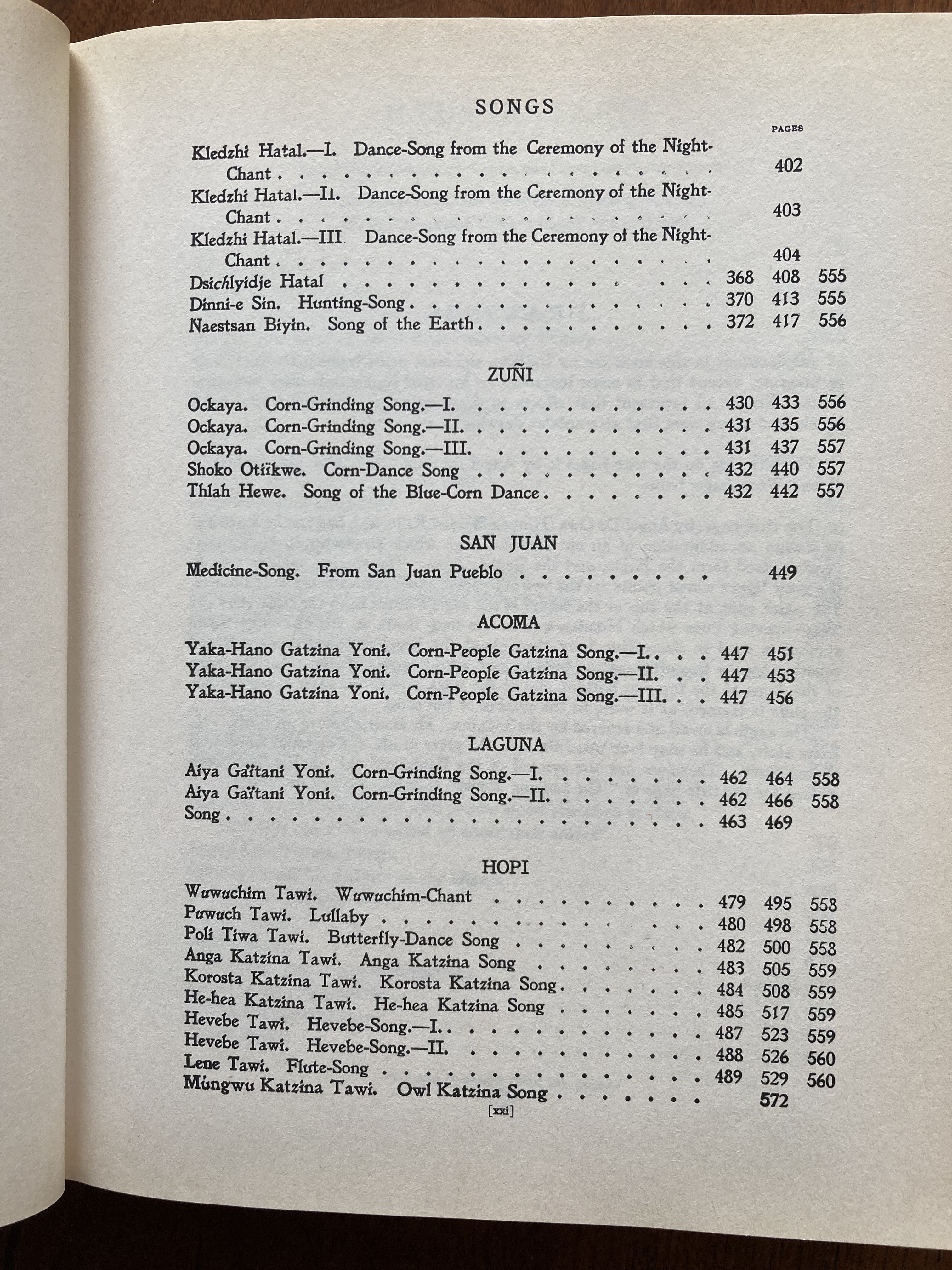
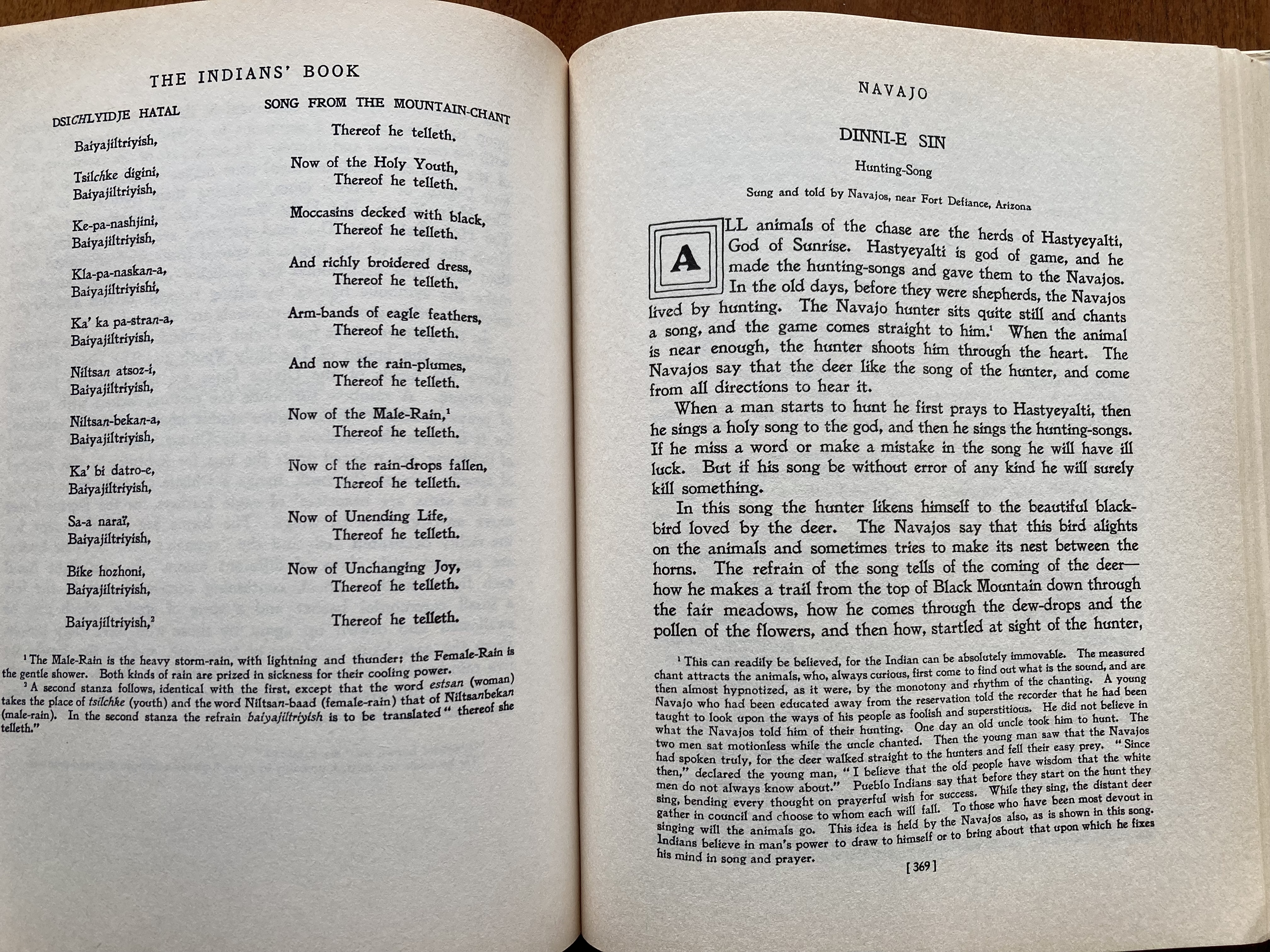
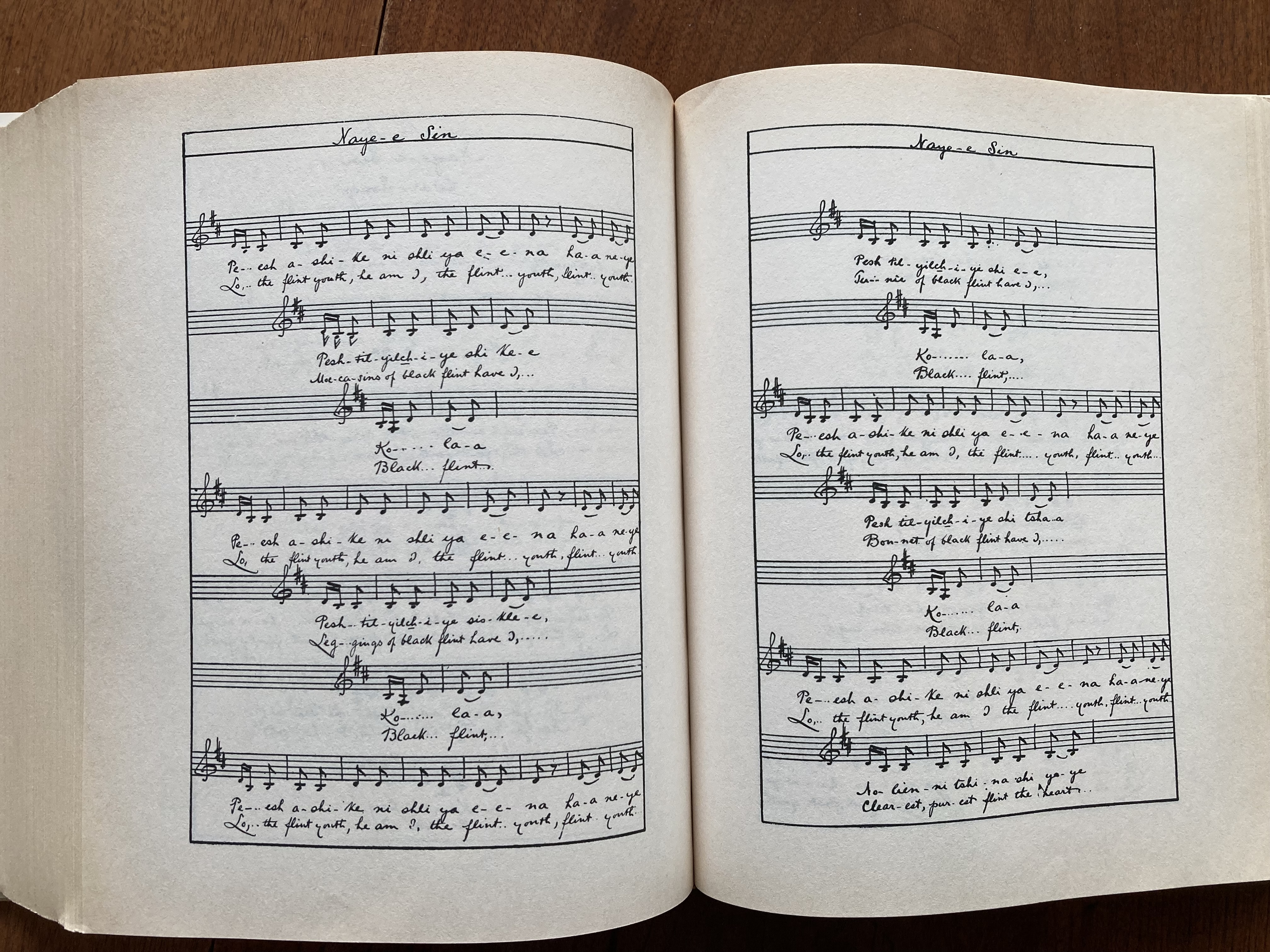
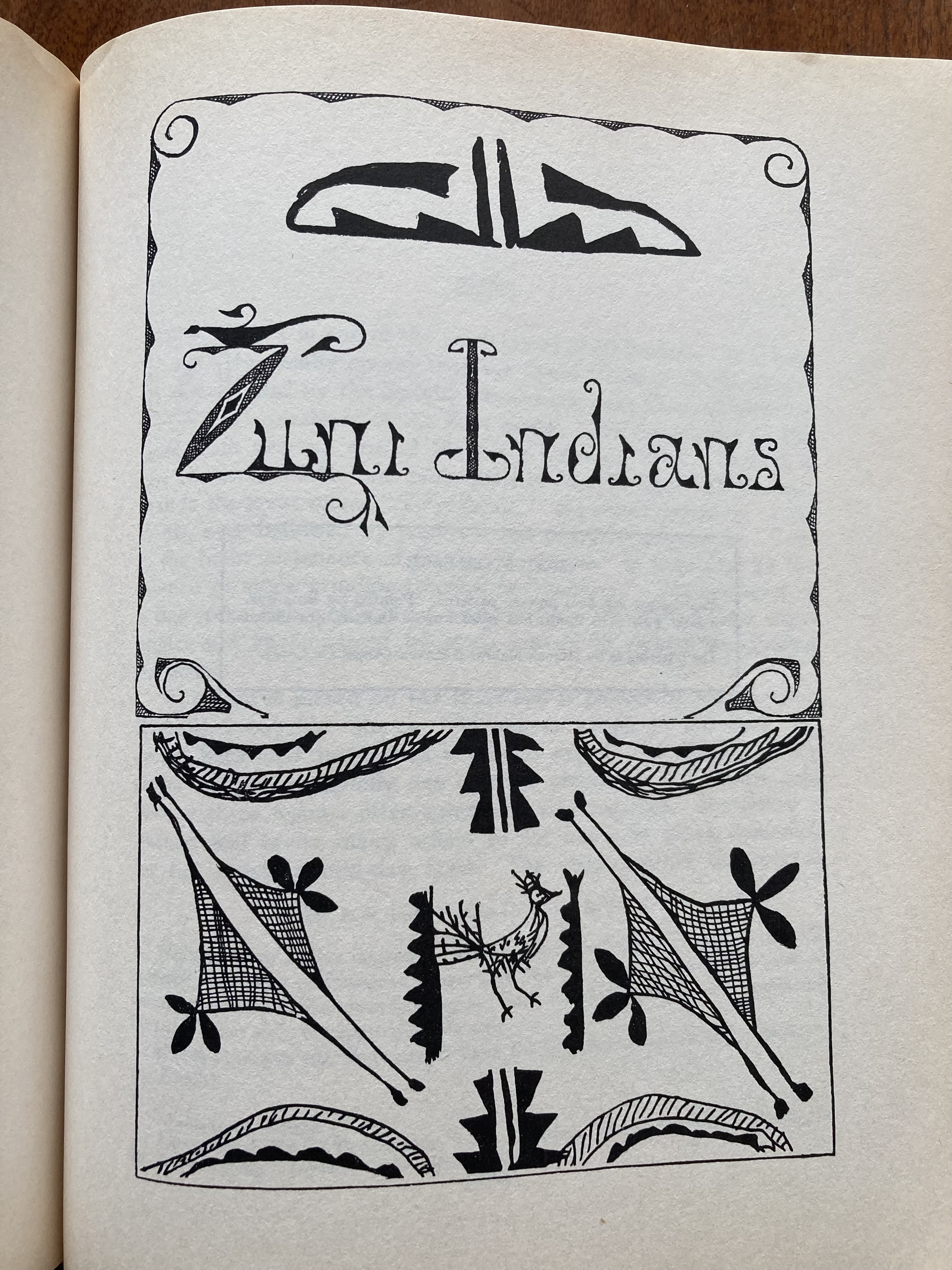
Pride–love in the ‘hood
Pride: A Pride and Prejudice Remix
by Ibi Zoboi
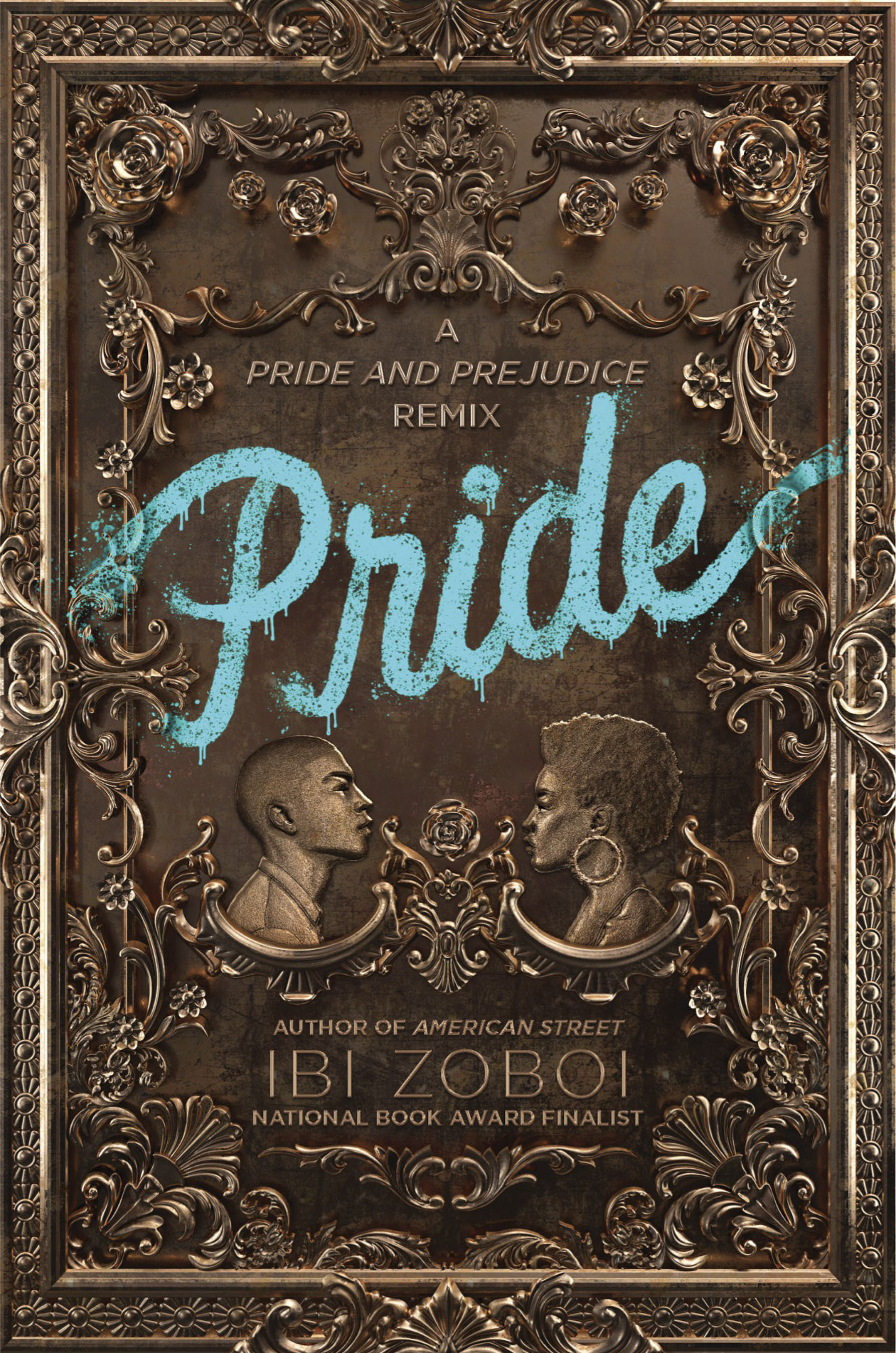
In a fun retelling of Jane Austen’s Pride and Prejudice, similar themes of class differences and the prejudices that accompany them are the focus of Ibi Zoboi’s Pride. The characters are of Haitian-Dominican background and the setting is the “hood” of Bushwick in Brooklyn.
Life changes dramatically for the Benitez sisters when the rundown property across the street is renovated by the upper class Darcy family. Ainsley Darcy, who attends Cornell, is attracted to Janae Benitez, a student at Syracuse. His younger brother Darius is treated harshly and with suspicion by our narrator who is also the protagonist, Zuri Benitez, age 17. The Darcy’s clearly don’t fit into the hood, but when Zuri goes out of Bushwick, she finds that she doesn’t fit in easily there.
This young adult novel explores the barriers put up intentionally and often unwittingly by the community and by individuals. It seems that Bushwick will be forced to change, but where does that leave its residents? If you are not from that community, dear reader, you will find yourself immersed in an unfamiliar culture with new words and customs. I found myself liking the characters and the warmness of their world although it is outwardly a much tougher one than the home community in which I was cocooned. This book exposes the assumptions it is all too easy to make when we are confronted with dissonance. Reading it will expand your horizons and make you dive deeply into your soul to consider how you view those whose life circumstances are different from your own.
Rating: 4/5
Category: Young Adult, Romance, Fiction
Notes: Contains a fair amount of cursing as appropriate to the street language of the community
Publication: 2018—Balzer and Bray (HarperCollins)
Memorable Lines:
Every book is a different hood, a different country, a different world. Reading is how I visit places and people and ideas. And when something rings true or if I still have a question, I outline it with a bright yellow highlighter so that it’s lit up in my mind, like a lightbulb or a torch leading the way to somewhere new.
If Janae is the sticky sweetness keeping us sisters together, then I’m the hard candy shell, the protector. If anyone wants to get to the Benitez sisters, they’ll have to crack open my heart first.
I’d look back at them with defiance and a little pride; a look that says that I love my family and we may be messy and loud, but we’re all together and we love each other.
 education pathways