Home » 2021 (Page 8)
Yearly Archives: 2021
Hannah Coulter–“living right on”
Hannah Coulter
by Wendell Berry

The narrator through the voice of Hannah Coulter ends the first chapter of this novel with the simple line “This is my story, my giving of thanks.” Do not, however, be lulled into thinking you are going to read a book consisting of platitudes on gratitude. Hannah reflects from old age on a full life, but what most would consider a common, ordinary life. She grieves over those she lost whether to sickness or the War. She keeps moving forward because what else is she to do?
Wendell Berry, the author of Hannah Coulter is an agrarian, a novelist, a poet, and an essayist. He brings his characters to life with carefully chosen words that reflect their deepest thoughts about difficult subjects as well as their humanity. This is a book that you may want to reread, that may make you tear up, and that will certainly be the cause of reflection as you identify with certain characters or events.
Perhaps because I usually prefer linear storytelling and Hannah Coulter strays from that paradigm in its first and last chapters, it will not be one of my favorite books. I do recommend it as a book of depth with passages that are worthy of sharing orally for the way the words delight or for the descriptions meant to be savored for the images they evoke. Hannah Coulter opens the door to her heart, her life, and her community to the reader in an honest and touching manner.
I would like to extend my thanks to NetGalley and to Counterpoint for giving me the opportunity to read this book in exchange for an honest review.
Rating: 4/5
Category: Literary Fiction
Notes: 1. Part of the Port William series but they don’t have to be read in order.
2. Map and Genealogy included at the end.
Publication: October 10, 2005—Counterpoint
Memorable Lines:
Time doesn’t stop. Your life doesn’t stop and wait until you get ready to start living it. Those years of the war were not a blank, and yet during all that time I was waiting. We were all waiting.
He told of the time he went fishing and the mosquitoes were so big and fierce that he had to take shelter under a lard kettle, and the mosquitoes’ beaks were so tough and sharp that they pierced the iron and came through, and he picked up his hammer and clenched their beaks, and the mosquitoes flew off with his kettle.
The chance you had is the life you’ve got. You can make complaints about what people, including you, make of their lives after they have got them, and about what people make of other people’s lives, even about your children being gone, but you mustn’t wish for another life. You mustn’t want to be somebody else. What you must do is this: “Rejoice evermore. Pray without ceasing. In everything give thanks.” I am not all the way capable of so much, but those are the right instructions.
A Fatal Fiction–editing can be dangerous
A Fatal Fiction
by Kaitlyn Dunnett
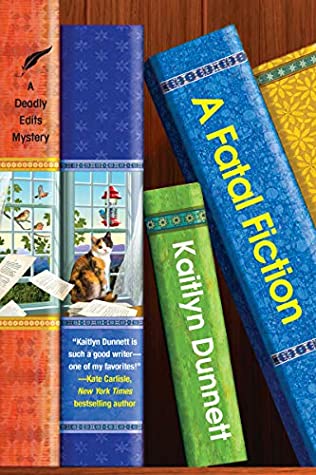
Mikki Lincoln is a retired middle school English teacher in Kaitlyn Dunnett’s A Fatal Fiction. In order to remodel her childhood home that has been neglected for many years, she supplements her retirement income using her skills as a copy editor. She lived in Maine for about fifty years, but has returned to her hometown, Lenape Hollow, NY. While stopped at a gas station, seventy year old Mikki is verbally attacked by a very angry businessman who has cheated a lot of people over the years by luring them into failing investments. Video of the encounter goes viral, even though Mikki never understood the cause of his anger. Mikki is the prime suspect when her attacker, CEO Greg Onslow, is found dead on one of the properties his company is developing.
Mikki is determined to discover who killed Onslow, but he was not a very nice man, so there are multiple suspects. Friends and family discourage her investigations as they seem dangerous at times.
The editing aspect of the story revolves around Sunny Feldman, last of the owners of a famous resort in the Catskills. She has hired Mikki to edit her semi tell-all memoirs of the celebrities who frequented the resort when she was a teenager. Onslow has bought the property for a development venture. Could their interests be colliding to cause these problems? Could Onslow’s ex-wife or even his second wife have killed him? There are some interesting locals who may have been involved as well. Most importantly, will the murderer set his or her sights on Mikki to cover up the crime and stop the investigation?
I would like to extend my thanks to Netgalley and to Kensington Books for giving me the opportunity to read this book in exchange for an honest review.
Rating: 5/5
Category: Mystery
Notes: 1. #3 in the Deadly Edits Mystery Series, but will work as a standalone.
2. At the end of the book, there is a section that will especially appeal to those who love language. It is composed of several pages of language and grammar tips including warnings on split infinitives, dangling modifiers, and usage of the terms swearing and foul language. The tips are interesting and often humorous.
Publication: June 30, 2020—Kensington Books
Memorable Lines:
Warmth crept up my neck and into my face. I was torn between feeling a sense of pride for standing up for myself and enduring acute embarrassment because I’d lost control.
Since I used the “teacher” voice I’d perfected over decades of dealing with junior high students, he caved, but he wasn’t happy about it. I’d have said he was sulking, except that there was a definite look of panic in his eyes.
Unfortunately, to properly put on the airs of a grand dame one really needs to be sipping tea from a delicate china cup. I was drinking my coffee out of a Star Wars mug, a Christmas present from my great-niece.
Lowcountry Boondoggle–growing hemp for supercapacitors
Lowcountry Boondoggle
by Susan M. Boyer
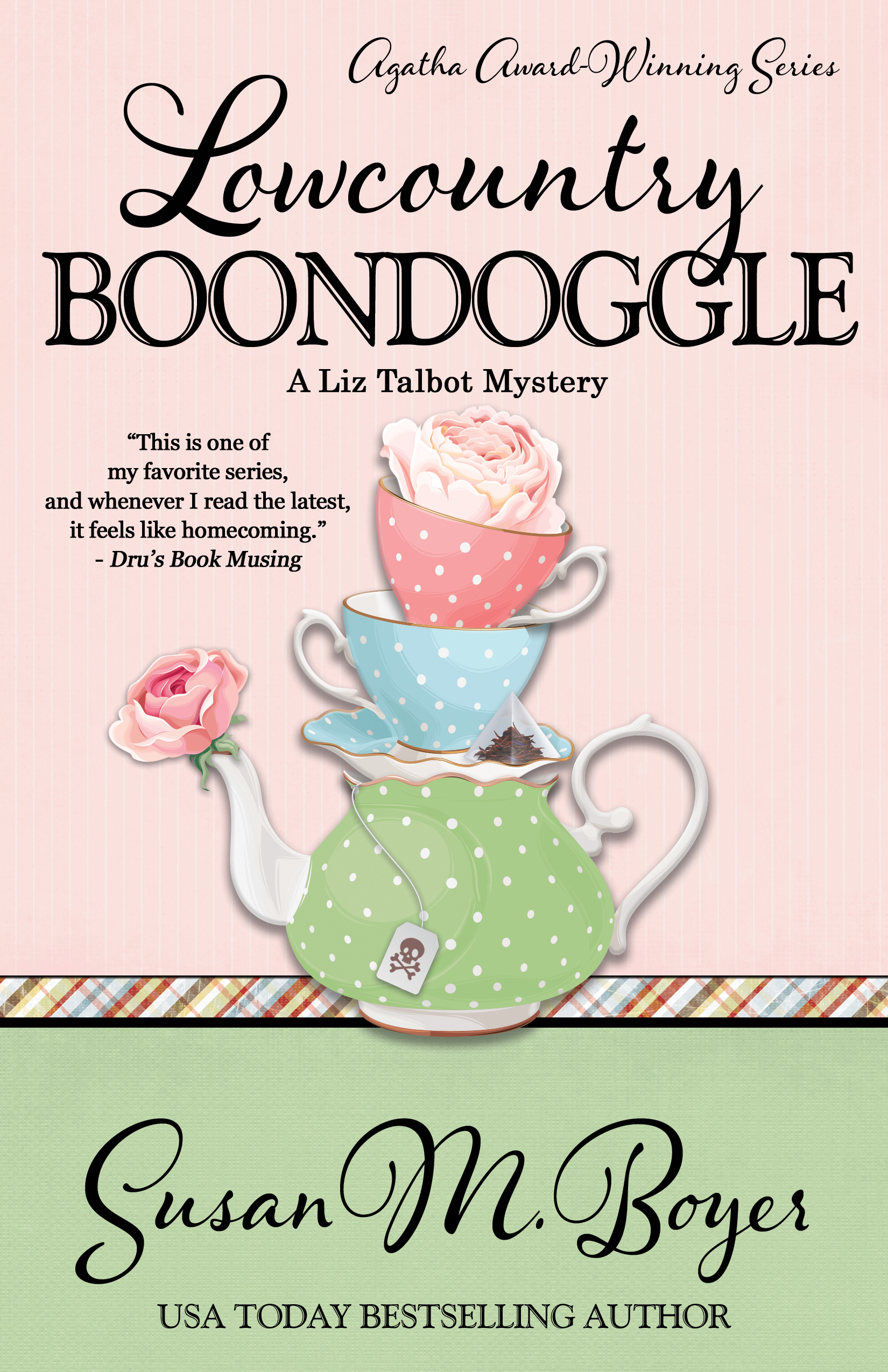
I am not regularly a reader of paranormal books, but Susan M. Boyer’s cozy mysteries have a different sort of paranormal twist. They focus on Liz Talbot, P.I., who is married to Nate, also a P.I. and her business partner. It’s no spoiler in my review of the ninth book in the series to say one of the characters is the spirit of Colleen who passed away during her junior year in high school. A spunky redhead, she has returned on a mission to guard their little town of Stella Maris. There are rules she has to follow or there will be consequences. Liz and Nate are the only people who can see her. She adds humor to the books but also aids in the investigations—sporadically. I write about her at such length because she has a pivotal role in this book, but to say more would indeed be a spoiler.
There are a number of threads in Lowcountry Boondoggle. Darius, a former reality TV star has been located by Brantley, his “long-lost love child” who is the sole survivor of a fire that wiped out his adoptive family’s home. Brantley has teamed up with two other friends, Tyler and Will, to establish an agricultural business to raise hemp. The young men will be concentrating on selling the stems to make supercapacitors, and they need money to start their business.
The plot centers around arson, murder, theft, deception, and jealousy. There is some humorous relief when Liz discovers her father’s plotting to create a Halloween scene on steroids on the front lawn. What will Mama say? Foodies will enjoy descriptions of Liz’s mama’s Southern cooking as well as some of the couple’s extravagant dining at the expense of their clients.
The plot was well-devised, but seemed to drag a little. I also didn’t enjoy the characters as much as I have in some other cozy mysteries in this series. Even the setting didn’t have the pizzaz I expected. Fortunately, I have read several books in this series and know the next one will probably be more to my taste as Boyer has included several intriguing hooks in her conclusion.
I would like to extend my thanks to Edelweiss and Henery Press for giving me the opportunity to read this book in exchange for an honest review.
Rating: 4/5
Category: Mystery
Notes: #9 in the Liz Talbot Mystery Series
Publication: June 30, 2020—Henery Press
Memorable Lines:
“…bad people are often very good at hiding behind masks of fake virtue.”
My husband was up to something, just as sure as azaleas would bloom all over Charleston in the spring.
“I always thought I had plenty of time, no rush. We make that same mistake all the time, don’t we? Thinking we have time?”
I MISSED YOU!
Dear Virtual Friends and Book Lovers,
I have been absent for months during a huge transitional time in my life. For years we had traveled back and forth between the temperate mountains of Mexico and a cabin in the colder mountains of the Southwest. About two years ago, we pulled the plug on Mexico and bought a home in the Four Corners area, a mere two and a half hour trip between houses. The plan worked perfectly as we loved our home, our church, our friends, and our new town. Unfortunately, the state governor destroyed the economy of our town along with the rest of the state and the spirit of the people during one of the worst state lockdown regimes in the U.S. Our response has been the selling of our home, moving our goods into storage, and exploring states that value freedom and individual rights as found in the U.S. constitution. We have retreated to our cabin, made an offer on a house, and are going through the next steps.
For anyone exploring the current status of the real estate market in the U.S., you will realize what a miracle it is that we were able to get this far in purchasing a new home. In many areas, homes are selling within 24 hours of being listed and for above the asking price. My sense is that God held this particular home for a few days for us. I rely on God to guide me, and therefore my prayers are that He will not allow the deal to go to completion if it is not the right home or location. I know things will get complicated again for me personally, but right now I am enjoying a cup of tea as I watch a gentle rain outside my windows. Through God’s grace I survived a bear encounter (not attack!) yesterday while walking my dogs. Last night I worked through all my emails executing mass deletes regarding posts by fellow bloggers. I hated doing that just as I have hated not being able to keep up with your blogs. I have not accomplished much reading during this crazy time, but I have been writing reviews as I finish books and will hopefully post them in the coming days and weeks.
Happy Spring! I look forward to reading your posts and interacting as we discuss books and life!

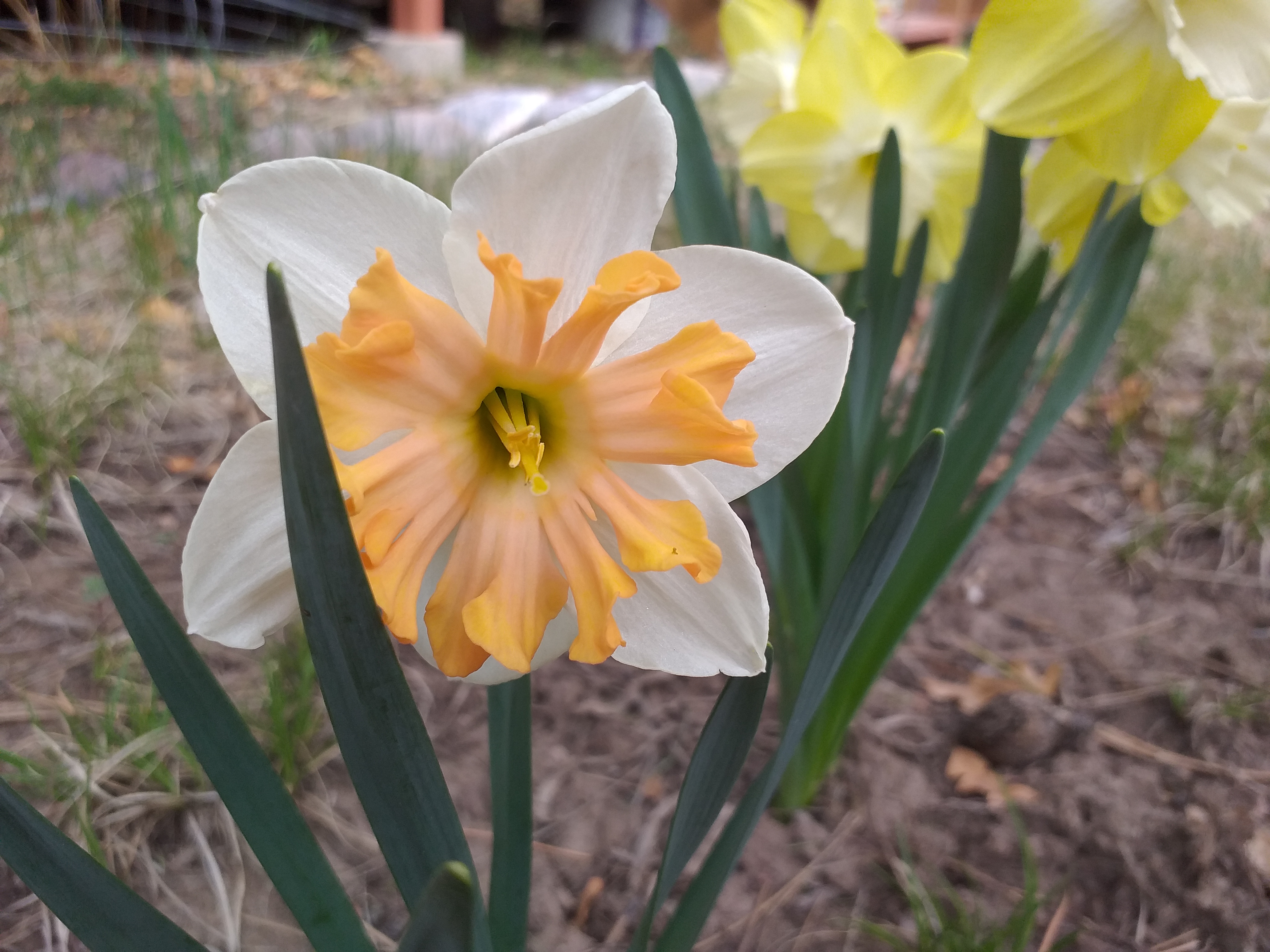
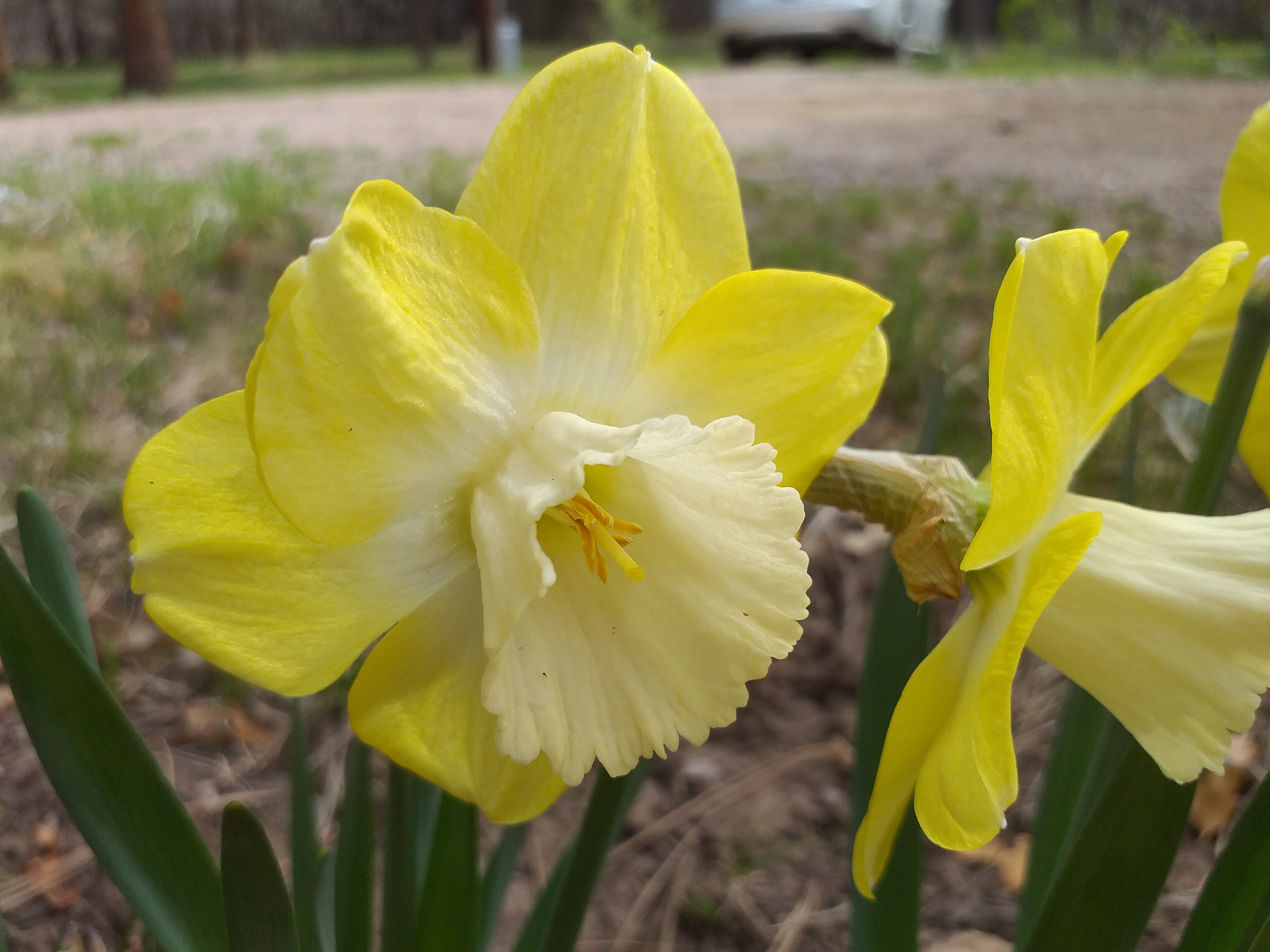
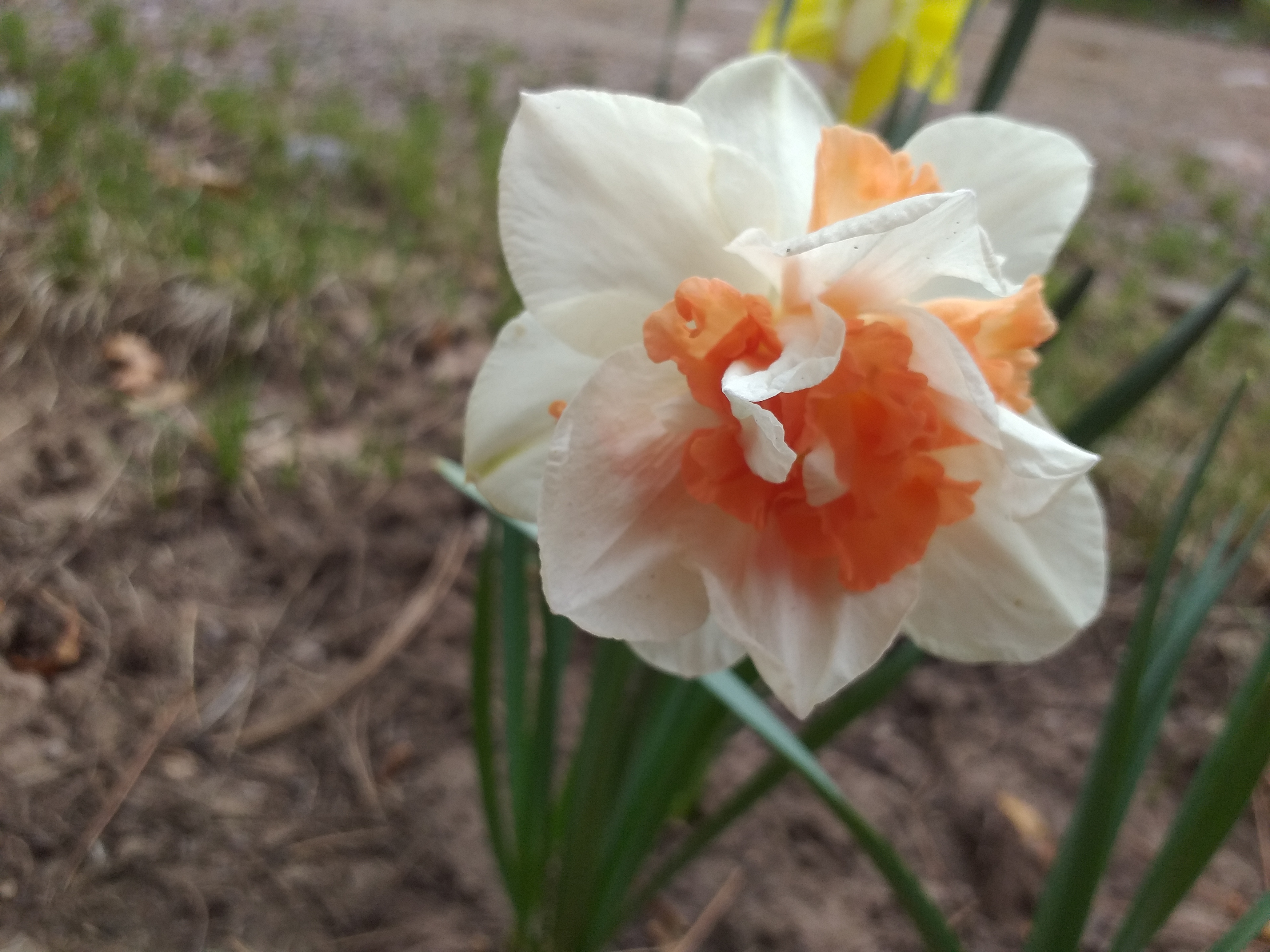
Desde mi cabaña en las montañas hasta tu casa, ¡Feliz primavera!
No Vacancy–struggle with religious identity
No Vacancy
by Tziporah Cohen

Life is not always easy as Miriam, an eleven year old, discovers. As her family faces financial distress, she is uprooted and transplanted to a motel in upstate New York. She leaves behind her close friends and spends her summer days helping her family revive the failing motel. Success for the motel would also mean better times for the Whitleys, a generous and kindly couple next door whose granddaughter Kate becomes Miriam’s best friend. When Miriam’s Uncle Mordy suggests it might take a miracle to keep the businesses afloat, Kate and Miriam decide to provide one!
As she is dealing with challenges at the motel, Miriam is trying to understand what it means to be Jewish and why she is different from others in her new community. She also wrestles with a fear of swimming.
Tziporah Cohen’s No Vacancy is a gentle, but thoughtful look at religion, ethics, and community. This work of fiction is aimed at middle schoolers, but I enjoyed reading it. I like Miriam and find that her interactions with other characters as she struggles with being open about being a Jew and about her aquaphobia gives the book more depth. Uncle Mordy shares differences that exist among Jews in practicing their faith. The Catholic priest acts as a counselor without being intrusive or preachy. The interactions between Miriam and Kate demonstrate that differences in faith don’t preclude a happy and healthy friendship.
I would like to extend my thanks to NetGalley and to Groundwood Books for giving me the opportunity to read this book in exchange for an honest review.
Rating: 4/5
Category: Children’s Fiction, Middle Grades
Notes: As an adult, I enjoyed this book, so just use this information as the publisher’s intended audience:
Grades: 4-7
Ages: 9-12
Publication: August 4, 2020—Groundwood Books
Memorable Lines:
Miriam starts to ask herself some prickly questions. Is a lie always a bad thing, even if what comes out of it is good? Does our faith make us so different from one another? And when bad things happen, do we really all have a shared responsibility for the hate in the world?
“It’s not that we can’t get along. We just believe in different things. And while I can be friends with someone who believes in different things than I do, it’s a lot harder to be married to, and raise a family with, someone who is different in these big ways. Not everyone feels that way, and that’s okay. but I do.”
“When someone is different from us,” he says, “sometimes we jump to conclusions instead of taking the time to understand.”
A Walk in the Woods–bears, snakes, and spooky woods…oh, my!
A Walk in the Woods
by Bill Bryson
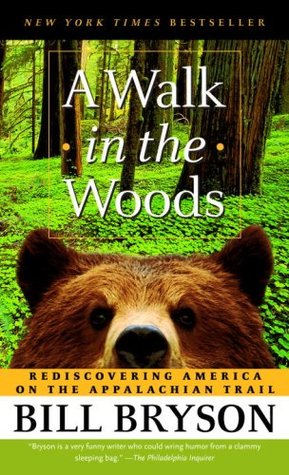
The Appalachian Trail, a little over 2,000 miles of challenging terrain, is a test that hikers of all ages, genders, and experience levels attack in various ways. There are parking lot visitors; they drive in, look around a bit and perhaps picnic, but do not actually hike the trail. Section hikers traverse parts of the trail at various times with a few completing the whole trail over the course of a lifetime. Then there are a few hardy souls who are full thru-hikers; they keep at it from south to north until they complete the trail.
As you might imagine, hiking the Appalachian Trail is an endeavor that requires a lot of planning and the purchase of expensive equipment to get the lightest weight gear possible. Carrying a forty pound backpack all day over rough terrain with formidable ascents and descents is a difficult task indeed. Author Bill Bryson who has written a number of travel books relates in A Walk in the Woods his experiences on the Appalachian Trail with Stephen Katz, a former school chum he had traveled around Europe with twenty-years prior. Much of the book describes the harsh realities of the hike and the delightful relief of their occasional forays into civilization to replenish supplies and sleep in a real bed. Some of the book relates their changing relationship as they confront the trials of the trail together as well as anecdotes about the interesting people they meet along the way.
Bryson’s writing style is comfortable. The descriptions are detailed without being overblown, and there is just enough history of the trail to give the reader an understanding of why it is the way it is. Often humorous, it provides an interesting read taking the reader into a once in a lifetime experience on the Appalachian Trail.
Rating: 4/5
Category: Travel
Notes: Some profanity
Publication: December 26, 2006 (first published May 5, 1998)—Anchor Books
Memorable Lines:
But even men far tougher and more attuned to the wilderness than Thoreau were sobered by its strange and palpable menace. Daniel Boone, who not only wrestled bears but tried to date their sisters, described corners of the southern Appalachians as “so wild and horrid that it is impossible to behold them without terror.” When Daniel Boone is uneasy, you know it’s time to watch your step.
I was beginning to appreciate that the central feature of life on the Appalachian Trail is deprivation, that the whole point of the experience is to remove yourself so thoroughly from the conveniences of everyday life that the most ordinary things—processed cheese, a can of pop gorgeously beaded with condensation—fill you with wonder and gratitude.
And all the time, as we crept along on this absurdly narrow, dangerous perch, we were half-blinded by flying snow and jostled by gusts of wind, which roared through the dancing trees and shook us by our packs. This wasn’t a blizzard; it was a tempest.
1984–is 2021 moving us into this future?
1984
by George Orwell
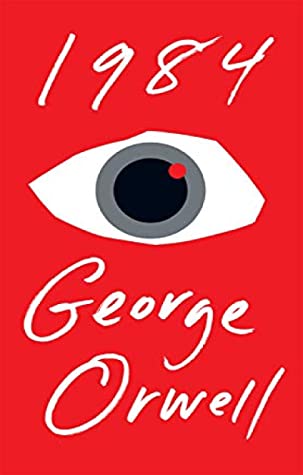
When I finished the first chapter of 1984, which introduces the very intrusive society of Oceania dominated by Big Brother and the Party, I was disquieted by what was happening in that society and the easy comparison to current events in the U.S. and around the world in 2020-2021. I knew I would return to the book, but immersed in the intensity of the total lack of personal freedom in this totalitarian regime, I allowed myself a few hours respite. I was only reading about it; what if I had to live it? George Orwell had my complete attention within the well-crafted words of the first few pages.
Winston Smith works in the Records Department at the Ministry of Truth where he rewrites the past to align it with current events. This process involves multiple revisions over time with all documentary evidence of a different previous reality immediately destroyed. He has a shabby existence—never enough food, a cold, dingy apartment, and most importantly the monitoring of every movement, facial expression, and utterance 24/7 by Big Brother through a telescreen. Even Big Brother’s eyes on giant posters seem to follow him. In this society, sex is allowed occasionally, but only for the sole purpose of procreation. Children belong to groups called “Spies;” and as they mature, they advance to the “Youth League.” Both organizations encourage their members to denounce their parents and other adults to the Thought Police for crimes of unorthodoxy. Party members engage in Two Minutes Hate daily to keep their loathing at a high level and focused on the internal threat, The Enemy of the People, and on the external threat, whatever group of countries is supposedly currently at war with Oceania.
Winston internally rebels, and 1984 charts the expression of his rebellion as well as the consequences. His parents were disappeared when he was ten or eleven. Using doublethink to convince the population that what is, isn’t and Newspeak to provide a minimal language in which it is impossible to express certain ideas, Big Brother (the Party) gains control of minds subtly, but effectively. We are, sadly, seeing a version of that today with censorship and mind control by main stream media as they tell us what to think and say and try to shame those who disagree. It is echoed in our educational system that stresses rote learning, eliminates creativity, and insists on social, political, and religious “correctness.” We are in a season that calls us to read or reread 1984 before this work of fiction becomes reality and is banned.
Rating: 5/5
Category: Fiction
Notes: 1. In the Signet Classic version, there is an afterword by Erich Fromm, a psychoanalyst who moved from Nazi Germany to the U.S. in 1934. This essay is about several books, including 1984 that warn us of the future unless we change our direction.
2. I strongly recommend reading Orwell’s Animal Farm first (and especially for younger readers) as an introduction to the ideas found in both books. As an allegory, Animal Farm is more gentle and less descriptive of the violence that is part of the control of the populace.
3. A reader’s guide is available at penguinrandomhouse.com
Publication: Originally it was published in 1949. I read one of the many reprints. My copy is a Signet Classic published January 1, 1961 by Penguin Random House.
Memorable Lines:
And if all others accepted the lie which the Party imposed—if all records told the same tale—then the lie passed into history and became truth. “Who controls the past,” ran the Party slogan, “controls the future: who controls the present controls the past.”
Doublethink means the power of holding two contradictory beliefs in one’s mind simultaneously, and accepting both of them…The process has to be conscious, or it would not be carried out with sufficient precision, but it also has to be unconscious or it would bring with it a feeling of falsity and hence of guilt…Even in using the word doublethink it is necessary to exercise doublethink.
…no change of doctrine or in political alignment can ever be admitted…And if the facts say otherwise, then the facts must be altered.
You Are Never Alone: Trust in the Miracle of God’s Presence and Power
You Are Never Alone: Trust in the Miracle of God’s Presence and Power
by Max Lucado

The focus is on Jesus. The focus is always on Jesus in Max Lucado’s writing—on how much God loves YOU, enough to send His Son Jesus to cover your sins with His shed blood. The God of the universe loves you and wants to have a relationship with you. That is the message of You Are Never Alone.
Max Lucado’s style of writing is so appealing; it’s like sitting down with an old friend who loves you and has great anecdotes and wisdom to share. He has a way with words. Even his acknowledgements section, often the boring part of a book, is a masterpiece of prose. Lucado can paint word pictures that make you feel you are right there in that hospital waiting room with a hurting mom or having a fish breakfast on the beach with Jesus, risen from the dead, and Peter who denied him. The writing can grip your heart as you see yourself as Jesus does, make you smile as you respond to the humor in a situation, and bring you to your knees as you realize the enormity of God’s love for you.
You Are Never Alone weaves anecdotes Lucado has collected along the way with Scriptural lessons from the book of John in the New Testament. He writes in everyday language with inspiration that will keep you turning pages. Look for theological soundness that never seems pompous and scenarios that depict life as we know it in vivid language we understand. There is a lot of tongue-in-cheek that you are not meant to take literally but which elucidate the heart meaning of the passages. He jumps from Jesus cooking “fish tacos” for His disciples to earlier references of art restoration as Jesus wipes away “layers of guilt and shame” in Peter’s heart with a “cotton swab of grace.” Lucado makes these complex connections seamlessly, and the reader emerges with a new understanding of the old story of God’s redemption of man.
This inspirational book can be devoured as a whole, read chapter by chapter over several days, or studied in depth using the “Questions for Reflection” prepared by Andrea Lucado. This section occupies one quarter of the text and takes the reader through thought provoking questions that encourage you to invest yourself, including your imagination and feelings, in the study which never strays from the Scripture. This book is an examination of the themes and miracles found in the Gospel of John. It is inspirational, humorous, and insightful. You Are Never Alone is yet another of Max Lucado’s books that will encourage you to trust in God during life’s storms.
I received a complimentary copy of this book. Opinions expressed in this review are completely my own.
Rating: 5/5
Category: Christian
Publication: September 15, 2020—Thomas Nelson
Memorable Lines:
If you see your troubles as nothing more than isolated hassles and hurts, you’ll grow bitter. But if you see your troubles as opportunities to trust God and his ability to multiply what you give him then even the smallest incidents take on significance.
John did the math: the stone rolled away, the now-tenantless tomb, the linens in their original state. Only one explanation made sense. Jesus himself did this! He passed through the burial wrap as if it were a sunrise mist.
Call me simple, but I think God is a good Father. I think he knows something about life. And I think he invites us to take the step, to take the plunge, to jump—not into a pool but into a relationship with him that is vibrant, joyous, and, yes, fun!
Animal Farm–still relevant
Animal Farm
by George Orwell

In reaction to Stalin’s efforts to gain control in the Spanish Civil War in 1937, George Orwell, a writer who fought in that war and witnessed the purges, created what he called “a fairy tale.” Russell Baker, author of the afterword in the Signet Classics edition of Animal Farm said that Orwell “thought too many decent people in the Western democracies had succumbed to a dangerously romantic view of the Russian revolution that blinded them to Soviet reality.” Clearly, Orwell, a self-proclaimed socialist, abhorred the totalitarian state which could emerge from socialism.
The allegory Animal Farm was first published in 1945 after pro-Soviet sentiment died down. It was immediately popular in England and America. It has a timeless theme which Téa Obreht, originally from Yugoslavia, shares in her introduction: “no society is inherently safe from these horrors.” Sometime in the new century, when engaging in retirement downsizing, I donated my copy of Animal Farm remembering it as an important work, but convinced that it is not relevant in our freedom loving United States of America. Recently, concerned about the direction toward total control being gradually imposed in my country, I bought a new copy of Animal Farm.
This short work of fiction tells the story of the animals on Mr. Jones’ farm. They don’t have it too bad. They have just enough to eat and a place to sleep, but they resent Mr. and Mrs. Jones and their farmhouse. The animals are convinced by Major, a prize boar, to fight for their freedom and transform their home into a socialistic farm where no one would be their master, they wouldn’t have to work as hard, and food would be in abundance. They are successful initially in working toward their dream, but things change very gradually as two competing pigs take over after the death of Major. Some of the problems at Animal Farm are born of natural disasters; others are the result of greedy and power-hungry pigs with their security guard dogs.
The animals continue to work hard and grumble little, but life gets worse for all but the pigs and dogs. Eventually the animals no longer remember what the seven commandments that structure their society are or recognize the changes that occur in them. Most can not read them anyway. They also don’t remember what things were really like in the past. They are easily convinced by the leader’s assistant, who with rapid-fire delivery spouts off “facts and figures,” thus proving that their lives are much better than they used to be.
Most of the characters are animals, of course. My favorite is the donkey, Benjamin, who has seen it all, but rarely talks. He just goes along knowing he will probably outlive whatever the latest notion is. Boxer is a very strong horse who has two personal mottos: “I will work harder.” and “Napoleon [the victorious pig leader] is always right.” The other animals find Boxer very inspiring. The animals are divided into committees. Interestingly, there is a Re-education Committee which the cat, who is rarely around at work time, joins. There is a large contingent of sheep who can be counted on to respond to everything with a loud chanting of “Four legs good, two legs bad.”
If you have not read Animal Farm, I encourage you to do so. It truly is reflective of what is occurring within the U.S. society including the political class and those who serve them. Although this was written with Stalin in mind, I was able to discern similarities to people, groups, and events in 2020-2021 and ponder the twenty or so build-up years leading to the changes we’re currently experiencing. Animal Farm is relevant today, and sadly will remain relevant as long as there is a greedy, power-hungry class and a populace that can be duped by false “facts,” persuasive rhetoric, and romantic notions of a utopian society.
Rating: 5/5
Category: Fiction
Notes: Political Allegory
Publication: Originally published in 1948. I read the Signet Classics edition published in June 2020 by Penguin Random House.
Memorable Lines:
He repeated a number of times, “Tactics, comrades, tactics!” skipping round and whisking his tail with a merry laugh. The animals were not certain what the word meant, but Squealer spoke so persuasively, and the three dogs who happened to be with him growled so threateningly, that they accepted his explanation without further questions.
Truth to tell, Jones and all he stood for had almost faded out of their memories. They knew that life nowadays was harsh and bare, that they were often hungry and often cold, and that they were usually working when they were not asleep. But doubtless it had been worse in the old days. They were glad to believe so.
But once Benjamin consented to break his rule, and he read out to her what was written on the wall. There was nothing there now except a single Commandment. It ran:
ALL ANIMALS ARE EQUAL
BUT SOME ANIMALS ARE MORE EQUAL THAN OTHERS
Academic Curveball: FREE Kindle from 3/5 thru 3/9
This is a fun cozy mystery series with a male protagonist and lots of quirky characters. It is a good series to start at the beginning as there is a lot of character background that develops through the series. It is amazing the author is giving readers the opportunity to read this first book for free! I hope you enjoy it!
 education pathways