Home » 2015 (Page 4)
Yearly Archives: 2015

Should a Child Exit Kindergarten Reading?
Common Core Answer: YES! Otherwise he or she is a failure and needs “intervention.”
Common Sense Answer: Maybe. It depends on the child and his or her readiness for reading.
 To most teachers, the common sense answer seems like a no-brainer. The creators and enthusiasts of Common Core State Standards are either ignorant of the concept of “readiness” or have chosen to ignore it.
As a reading specialist with thirty-four years of teaching with a focus on literacy, I will gladly proclaim what most teachers know. There is such a thing as readiness for various academic, physical, and social skills. Readiness for those apparently disparate skills are often tied together. You can teach children who are not ready for a certain activity how to do it, but until they are actually ready to learn it they will not master the skill. Mastery means being able to apply it in new situations and store it in long term memory. Additionally the learning process for that skill is much harder than it needs to be. Depending on the teacher and the process, it may result in negative views on learning that skill and subject, on school in general, and even on his or her own self-worth.
Reading instruction is very important in Kindergarten and the other Early Childhood grades (1-3), but it should not look like or feel like reading instruction in the upper elementary grades (4-6). Literacy activities should be so much fun that children are begging for reading time. Students should be immersed in stories, rhythm, and rhyme. They should read chorally and use predictable texts. They should have read alouds and silent reading, time to devour books in groups, in pairs, and by themselves. They should express their ideas in art, drama, music, movement, and writing. Students should learn thematically so that science and social studies are an integral part of the day with exciting projects. Reading should be taught all day in whatever students are engaged in. It should be as natural as breathing.
Surrounding students with these opportunities is giving them the gift of reading. They will learn how to read when they are ready and they will love to read.
The following posts are recommended reading for those who are looking for the best in education. Decide for yourself which is right for your classroom or your child. According to one grandparent speaking of her previously happy grandchild when subjected to the Common Core: “On the fifth day of kindergarten he refused to go to school, locked himself in his bedroom, and hid under his bed!” Perhaps you would rather be the parent who said to me: “Thank you so much for being our child’s teacher. Because of you, she loves to read.” Believe me, that did not happen under Common Core State Standards.
Reading Instruction in Kindergarten: Little to Gain and Much to Lose
Report: Requiring kindergartners to read — as Common Core does — may harm some

The Cows and the Ranchers
An Educator’s Fable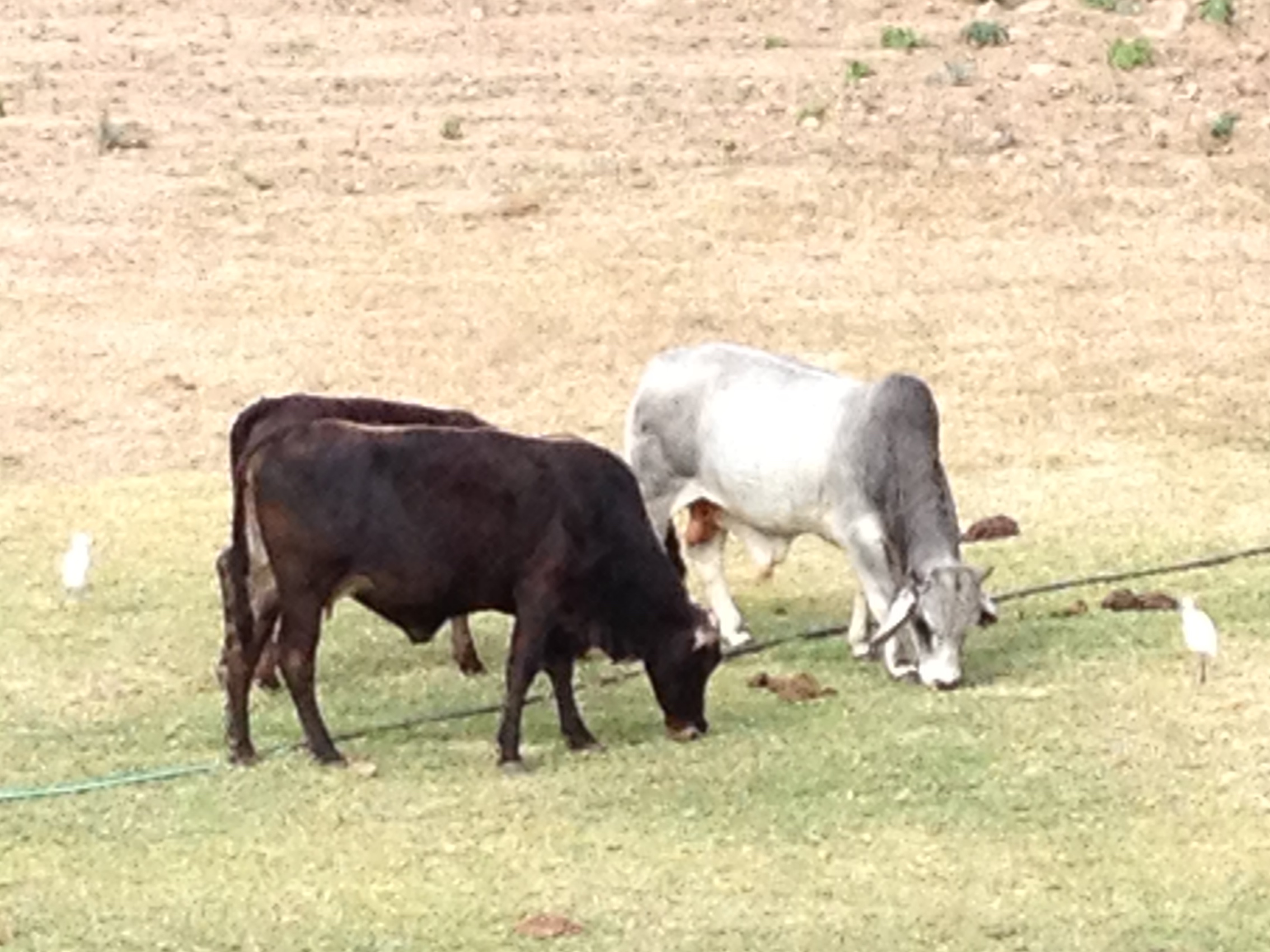
Once upon a time, in a land far away, there was a small rural area which had some barren land and some lush pastures. The local people had a lot of cows to raise. They hired some experienced business managers to oversee the cow production. The managers developed a business plan and set about implementing it. First they hired some motivated ranchers who loved cows and tasked them with the care and growth of the cows. The cows were fenced in so they could not leave the dusty patch they inhabited. With little to eat, the cows did not gain weight. In fact the cows were becoming agitated for on the other side of the fence the grass was green. The well-meaning business managers did everything they could think of to improve the situation. They went across the country to learn new ways of making the cows gain weight. They came back and told the ranchers to weigh the cows every week, every day if necessary, to look for weight gain. Surely that would help! Unfortunately no weight gain followed, but the ranchers had less time to bring in hay for the cows who, in fact, lost more weight! The business managers declared that there would be twice weekly meetings (Producing Cow Lessons) in which supervisors would berate the overworked ranchers and make them say hurtful things about themselves and the other ranchers. Soon the exhausted ranchers were also depressed. The business managers next brought in experts to teach the ranchers new tricks for making cows gain weight—steroids and lots of water. The cows temporarily gained a little weight but it dropped off when they returned to their regular meager rations.
Then, one day a very frustrated, very overworked, and formerly very successful rancher went berserk. He knew the answer. He had been telling the business managers the answer, but they wouldn’t listen because he was just a rancher. So, the rancher cut the fence allowing the cows to enter the grassy area they longed for so much. The cows became fat and happy. The ranchers were elated to be productive ranchers again. And the business managers? They all received promotions and bonuses for the great work they had (not) done.
Happy New Year to Teachers!
 January can be an exciting time for teachers. We all know the rush that comes at the first of the school year as you and your students start with a clean slate. There are so many possibilities for great things. Jumping into the new calendar year can be almost the same—except you don’t have to set up your classroom! Some of you are finishing up the first semester and others are already in the second semester. Everyone has a chance to rethink what you want to accomplish this semester and how you want to get there.
In the spirit of optimism, here are my wishes for all teachers in the new year:
1. I wish you opportunities for creativity each and every day.
Our job is to teach students how to think logically and to unleash their creativity. You, as a teacher, will have to think “outside the box” to make that happen. Creativity on the part of teachers and students is a huge factor in satisfaction with the educational process.
2. I wish for you the respect that you as a professional educator deserve.
Respect can be shown in so many ways. It is the administrator freeing teachers to do what they think is best for their students in their classroom. Respect is supporting teacher decisions regarding discipline, curriculum, and use of time. Respect is encouragement through positive interactions: the principal who pops in and leaves a thumbs up, specific note of praise rather than a “gotcha.”
3. I wish an abundance of patience in your encounters with students, parents, colleagues, and administrators and wisdom to know when to hold your tongue and when to stand up for what is right.
Unfortunately, speaking out about professional issues depends so much on the character of the administrator and the tone set by the district. There can be repercussions so choose your battles wisely and try to find ways to do what is best for kids when directives are oppositional to good educational practices.
May God bless you with a year that fulfills the hopes and promises of new beginnings for you and your students!

 education pathways